By Tom Demerly.

photo1219728y837874595497

The Pro-ser

Prosers race as a “pro”. They may have won Ironman Istanbul and the attendant $184.23 USD prize money after spending $5000+ to get there. They never go more than five sentences in conversation without mentioning they are “racing pro” or “used to race pro”.

Prosers complain incessantly about how the pros are treated by WTC. They remind you they always get a discount- since they’re pro. They have a day job, but did I mention? They are a Pro… And by the way, they are looking for sponsorship, a home-stay and a free meal- and they coach, here’s their website. And Twitter. And Facebook. And Instagram. And Pinterest. So you can see how Pro they are.

Prosers have weighed down the sport with their Walter Mitty, self-feeding super reality. Festooned in sponsors’ logos they never give anything back to, the proser is to the selfie as Van Gogh is to the landscape. It is their medium.

What good can you say about the proser? Well, every triathlon community has one, and usually only one. Except for Boulder, Tucson and San Diego, prosers are territorial. Those places are their winter mating grounds. Prosers are like a living, breathing Strava segment since their over-the-top countenance makes you want to catch them on the bike, beat them in the pool and stay with them on the run. Say what you will about the proser (and I have) but they push us. They keep the bar up for the rest of us while reminding us of how incredibly lame we can truly be without an occasional ego check.


The Pro

konablog10

Pretty obvious: Races for the win. Has won. They’re not like you and I. They are so otherworldly fast it’s tough to imagine. The bike speed of Andrew Starykowicz at Ironman Florida: 112 miles in 4:02:17. That’s an average of 27.73 miles per hour- for over a hundred miles. That’s alien. The courage of Sebastien Kienle; going off the front at Ironman on the bike- and never looking back. With courage like that he probably needs special tri shorts.

If you put previous winner Chrissie Wellington between the sun and you, the light would shine through her she is so skinny. The miles Pros put in would be fatal for us. Phenomenon Mirinda Carfrae makes running in Kona look so effortless it is weird to remember how awful we feel off the bike. Most of us couldn’t get our knees that high on any run, let alone at Ironman with a 6:30 pace.

The downside of being a pro is triathletes don’t remember anyone but the winner. Ask a triathlete who won the Ironman World Championship last year. Ask who was third. Because triathlon is a participant sport the people who finish often have no idea who won overall. Triathletes are participants, not fans. We don’t give our pros a very high pedestal. We prefer to have one of our own.


The Warrior
thewarrior

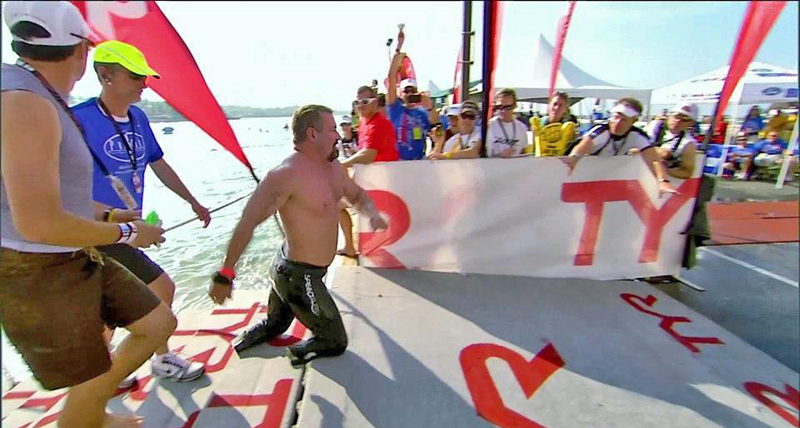
Something bad happened to them. Lost a leg. Lost both legs. Lost a family member. Had a disease. When they cross the finish line at Ironman it will cast away their demons of affliction, addiction, depravation, crucifixion. Ironman is the filter through which they must pass. It sets them free. A Warrior is just as likely to win their age category as they are to barely make the midnight cut-off. Never, ever count out The Warrior.

The Warrior deserves most of the credit for the success of our sport in the modern era. Without their use of Ironman as a medium of exposure our sport would not be where it is. No other sport has Warriors like Ironman does. Their stories have inspired us. They serve as an adult version of the speech your parents gave you about children starving in Africa. Their message is clear and relevant: Use what you have while you have it. Life and vitality are ephemeral gifts not to be squandered. When you see a warrior, thank them.

An Olympic Gold Medalist may mention a charity, may have overcome a tragedy, but that is an accessory to their performance. For the warrior, their Ironman performance is an accessory to the cross they bear. For the Warrior, it is all about what brought them to the start line, and getting to the finish line. The Warrior reminds us that Anything is Possible, and Ironman is the filter through which they must pass to achieve redemption.


The Super-Grouper

ironman1000

The soft-spoken, amazingly fast people in the age groups: The Super-Groupers. They surprise us with their results. Races because they love the sport. Probably been doing it for a while, may have been to Kona before. Reserved about their accomplishments but turn in great races while trying to balance their racing and training against that ephemeral annoyance called “normal life”. You never know how fast they are until one day you look for them on the results page, and then you’re blown away. This is the unassuming girl or guy who kicks butt and finishes in 9 hours, 10 hours, 11 hours, 12 hours, 13 hours.

When you go on a training ride with them, you bleed through your eyes. They are often unassuming in appearance. I know an average looking lad who went 9:50 something at Ironman Arizona while he kept his day job. Another Player I know is a top-level exec for an automaker. He kicks butt at Ironman and seldom mentions it. I saw him out on a training ride one day and had a tough time catching up to him on his bike. In my car.

Super-groupers often ride an inexpensive bike from five model years ago, use off-brand aero wheels, have served as President of the local tri club and volunteered at races when they weren’t racing. They are givers and quiet local heroes contributing to athletes around them in ways we often never realize. And they still kick butt on race day.


The Struggler

konablog20

They may not belong in Kona, but they are in Kona. And God bless them. Julie Moss is the original Struggler, and she put our sport on the map. Without enough training, with bad equipment and even worse race nutrition they somehow make the cutoff. These are the real “Ironmen”, and by God, they earned the tattoo. The citizen athletes. They will take 40 electrolyte tablets in a race but not drink more than a water bottle per hour and then wonder why they cramped on the run, but run they will. All the way to the finish. They finish in the hour before the cut off, the best hour of the day at Ironman.

When you ask, “What did you eat on the bike?” They answer casually, “63 salt tablets, a can of tuna, a bottle of NutraSludge, eight soggy Fig Newton’s and a GU.” And they wonder why they had G.I. issues that rival an above ground nuclear test.

Ask them how their race went and they’ll tell you, “I shit, peed, barfed, cried and even high fived myself. It was awesome!”

You think the pros are tough? They have been showered, eaten a meal and had their feet up for five hours by the time these girls and guys drag their pee, barf, mucus, energy gel and poop encrusted bodies across the finish line. They are the real Iron(wo)men. And the next morning they line up to register for next years’ race.

The Strugglers are the finishers who make our sport great. The Strugglers are the everyman with so much passion in their heart for Ironman they make it on almost entirely guts, really weird race nutrition and very little training.


By Tom Demerly.

promoe-mail

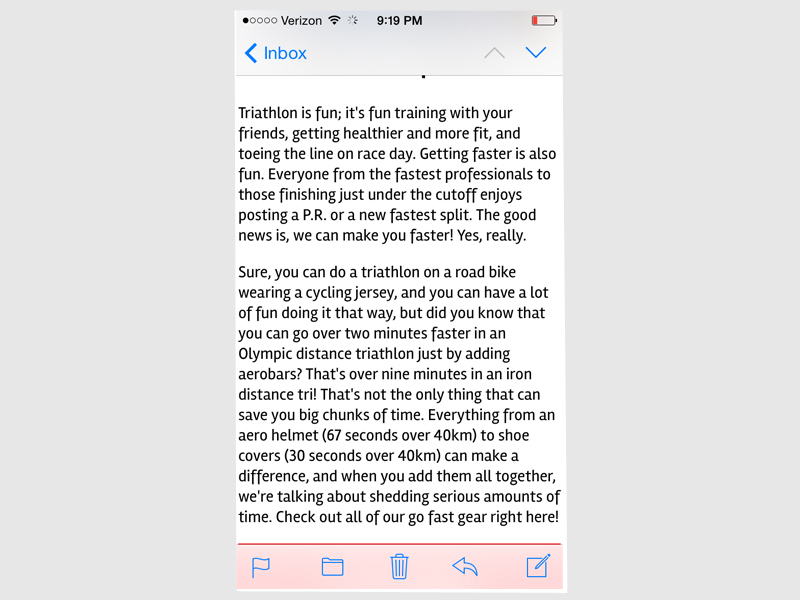
I collect promotional e-mails. I love the medium. I’m fascinated by it. I love the good ones and am entertained by the bad ones. Every once in a while, but rarely, I’m inspired by one. Here are 4 promotional e-mails, 3 are very good, 1 is a disaster that will drive away customers and take the fast lane to the “spam” box.

Here is the idea: We’re looking at these the way they view on my iPhone. Most people see promotional e-mails on their phone now. Soon, nearly everyone will view them on a portable device with a screen oriented more vertically, as with a phone or phablet, as opposed to a computer screen, which is wider than it is tall. That’s important to realize when you write your e-mail copy and design your e-mail, as we will see.

Next, think about the real-word ergonomics of how people interact with their e-mail on a mobile device. Where are they? How long is their attention span at the moment they will see it? What are they doing when they see it and how does it initially view? This goes a long way toward driving that golden BB metric, the “open rate”. If you have a high open rate, you’ve cleared the first hurtle.

copyblock30

Here is a great one, and I love this e-mail and the headline it came with. “20% OFF”. No bullshit. No poetry. No extra words. This is brilliant. It will convert to orders on their website.

This is how: I subscribed to the list somehow so I am already interested in the product category. That step is done. Now all I will act on is a deal on something I’m interested in. And, since people only see this e-mail for… a maximum of 2 seconds (that’s right, only 2 seconds- and that is the max) it says what it has to say, big, bold, short and to the point and gets out.

My behavior that follows is to quickly click through to the site. If there is anything there I want and 20% is enough of a discount, and, as a consumer I have the discretionary income to create “open to buy”, chances are I will dump something in the shopping cart. The e-mail worked. Short. Fast. To the point. Bam. Winning.

copyblock20

Here is an anomaly, and these are rare and brilliant. Patagonia and Orvis both do a good job with this very difficult type of e-mail promotion that may not convert to sales within a few seconds of opening it, but it sets a mood and establishes my set of beliefs surrounding the brand and their products.

Retailers usually don’t use these- and they usually don’t work for retailers. Brands usually use these to help establish what their brand is all about. What they mean, what they stand for. Again- this usually doesn’t convert immediately, but it will plant an effective brain seed to bring a customer back later. And, the other brilliant thing about this medium, a kind of visual “haiku”, is that it doesn’t mention prices. It only establishes image or cache’.

This e-mail will make me look back at Orvis again. If there is a good follow-on promotion, I may order. They got my attention, they did it with mood and imagery, and they kept price off the table for now. Winning.

copyblock10

Here is a train wreck. And it is real. This is from a big-box triathlon retailer. It is hopeless. Remember, 2 seconds… You’re driving your car, you’re sitting in an airport watching your flight get updated, you’re waiting in line at Starbucks, you’re at a drive-thru line and you’re quickly checking your e-mail. This shows up. Delete. Junk Mail.

This is words. Words, words, words, words. This is the guy who just talks too much. It plathers on about… something (I didn’t read it, it has taken less time to write this blog and I’m a busy man) and it has no point. It. Is. Just. Too. Long. Period.

Remember, this is how the e-mail showed up on my phone screen. This is one of the worst sales/promotional e-mails I’ve ever seen. This company has fallen into a trap of sending these and I collect them for just this purpose; to show people what NOT to do. I keep them because soon they will be bankrupt, again.

copyblock40

OK, get your mind out of the gutter. I know it’s tough, but try to focus on something other than the boobs. Just try.

Consider that you are selling a product category to a strong buying demographic: Young, affluent, high percentage of discretionary income, very fast moving, using lots of mobile gadgets and very connected. You need visuals. Rich visuals. Also, the product you are selling is visual-based. Sports cars, fashion apparel, anything with appearance as its key appeal. Like boobs. So you serve the visual of the product first and foremost. Copy??? Is there even copy on this page? I can’t remember. All I saw was pastel colors and appealing round things. I remember this from when I was born. I was screaming and hungry, and this fixed everything. Still does.

They could be boobs, they could be wheels, they could be food. It is a visual play for a visual product. And it sells. The brilliance of this approach by Frederick’s is they realize that men are a large percentage of their customers, buying apparel for their wives or girlfriends and, in the case of their better customers, both (at least temporarily).

This won’t sell to everyone. Some people will take offense. It is sexist. It is. But that customer isn’t a Frederick’s customer anyway and wouldn’t have received this e-mail. This e-mail shows the goods (literally and figuratively) and it will convert. Another thing about Frederick’s e-mail marketing is frequency. They keep boobs in your in-box daily. You never forget them.

That’s the quick and dirty on promotional e-mails, because promotional e-mails are a quick and dirty business. Especially when done right.


By Tom Demerly.

coldwar10

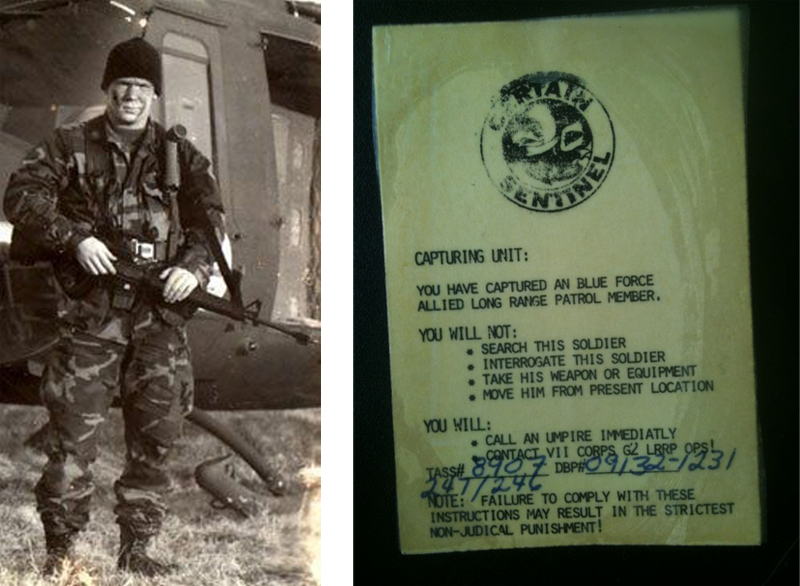
Left: Me at a training exercise in Northern Michigan with Co. “F”, 425 INF (AIRBORNE) Long Range Surveillance Unit. Right: My “Get Out of Jail Free” card for REFORGER.

25 years ago my phone rang at home. “Are you seeing this?”

“What?” I asked. “You better turn on your TV.” The Berlin wall was coming down. We won.

During my brief and very non-illustrious military “career” (if you could call it that) part of what my unit did was trained to conduct “stay-behind surveillance” on Eastern Europe, mostly along the Warsaw Pact/NATO dividing line. Especially East and West Germany. And the Berlin Wall.

We were a special operations long-range surveillance unit. Our unit trained to infiltrate deep behind the wall and watch things. Counting. Observing. Classifying. Reading. Installing sensors called “SID” or Seismic Intrusion Devices to monitor the movement of armored vehicles along key roads, aircraft movement and anything else the Warsaw Pact was doing. Then, if all went well, we would enter the intelligence into a device we called a “dumb-dog” or Digital Message Device Group (DMDG) attached to our radios and send a burst transmission with our S.A.L.U.T.E. report, a kind of outline that classifies Size, Activity, Location, Uniforms (or Unit), Time and Equipment. After that we’d quickly change positions to another hide site since the Soviets and East Germans had a nasty habit of calling in air and artillery strikes when they detected a burst radio transmission, knowing that they were being spied on in their own back yard.

Every year we participated in an operation called REFORGER or “REturn of FORces to GERmany”. Part of our unit would go to England to cross-train with the British Special Air Service, another part would go to Germany to their special Long Range Surveillance School, and a third part would go to REFORGER.

At REFORGER, business was serious.

wall40

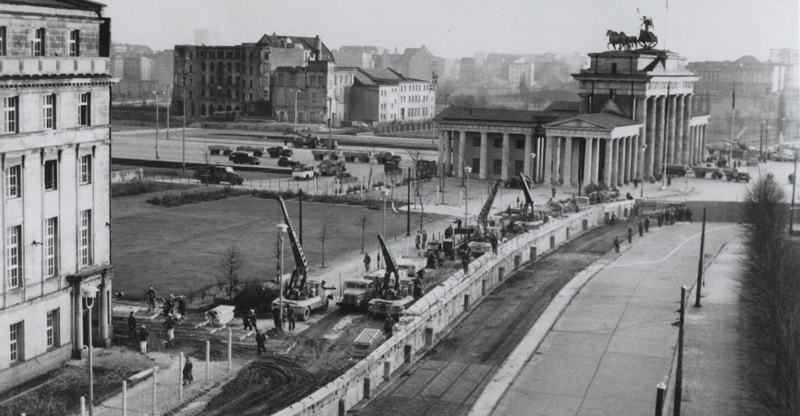
Construction of the Berlin Wall showing open kill zones, the early installation of the anti-scaling barrier and the raked areas where mines were installed.

We flew on a C-130 from Selfridge ANGB in Mt. Clemens, Michigan to Lajes, Portugal. In Portugal we landed to refuel, stretch our legs, and receive a briefing that, once in Germany, we were “at war”. Equipment was changed. Uniforms were sterilized of insignia that identified our unit. And we were given a yellow “get out of jail free” card to hand to friendly forces when our own units captured us and they had no idea who or what we were. We, of course, were not allowed to say a thing to them. Only, “Call the number on the card”.

During the time we were deployed to Europe near the East/West German border espionage was the national industry. A briefing told us “1 in 8 East Germans are involved in some form of espionage”. “While inside West Germany you will be under constant East German surveillance.” There was no way to shake it. And the East Germans weren’t subtle about it. An apartment building across the street from the former WWII German barracks we lived in constantly had observers in the window. They took our photos as we came and went. We went through ridiculous rituals to evade surveillance. Following one incident we were forbidden to wear uniforms off post.

The place we were staying was built before WWII and it hadn’t been updated since. Especially the plumbing. It was build out of quant stone and concrete and had low ceilings and iron bars. The basement, really a dungeon, was where our equipment masters kept our armory. Drawing your equipment down there was like a scene from a Bond movie or “Where Eagles Dare”. The only thing missing was “Q”, and we didn’t have any Aston-Martins. Or fancy suits. Or watches that shot missiles.

Our surveillance patrols consisted of six-man teams, sometimes less, sometimes more depending on what we were doing. Sometimes other members of different services, and even different countries joined us.

I was our team’s “Scout Observer”, the guy who looked at stuff. I had to be able to identify things. Part of the reason I landed this job was I had an encyclopedic knowledge of military equipment, theirs and ours. Especially aircraft. Another reason is because I had graduated as honor graduate from my schooling at Ft. Benning, Georgia.

The Berlin Wall was different in different places depending on where you were along its length. Sometimes it was simply a bricked-up building booby-trapped with mines. Other times it was a brightly lit open expanse, the “kill zone”, with mines and dog runs on each side of the wall. Where we visited this day it was actually a series of barriers; a barbed wire topped, chain link fence, a carefully raked pea-gravel kill-zone with anti-personnel mines and interlocking fields of sniper fire, the wall itself- a tall, concrete affair with what looked like a horizontal row of large diameter pipe on top of it. The sinister thing was, if a person lived crossing the minefield and the sniper kill zone, and actually managed to scale the wall itself, they were greeted on top by these rotating cylinders. They would simply spin backwards under your desperate grasp until a sniper’s bullet found you. In this spot, many people had tried to get across. None made it.

We were observing an interesting phenomenon. The East Germans had closed a factory near the wall and taken it over as an observation post to look on our side of the wall. The OP was located atop a high smoke stack that used to be part of the now abandoned factory. At the top of the smoke stack was an East German observer.

The intel we had was that this observer would change at regular intervals. It was freezing up there in the smoke stack observation point, and the poor East German border guard, or whoever he was, must have been miserable. He surveiled our side of the border through rifle scopes and powerful binoculars.

But he was not entirely without creature comforts.

One day a rickety-looking Lada compact jitney of a car pulled up near the base of Red Smokestack OP. It jerked to a halt. Oddly, a woman dressed in a huge, poofy white fur coat climbed out, carrying a cylinder from which steam was rising. Nerve gas? Radioactive isotope? It was soup to be delivered to the man in the tower. Two border guards accepted the soup canister and one appeared to try to make progress with the woman in the fur coat. He failed, she returned to her decrepit little car, reversed away from the kill zone and left. One of the guards spent the next few minutes carrying the large thermos of soup up to the top of the guard tower.

We later learned that observation assignment to the guard tower OP was a kind of “punishment detail”. That the border guards who watched from the tower got there because they had screwed something up, been late to report to duty, etc. It must have been miserable up there in the freezing wind. And it is no wonder East German morale among their supposedly “elite” border guard units was reported to be poor just before the wall came down.

wall20

While observing the wall, I learned a profound and sad lesson about humankind. Ducks had flown into a river on the NATO (free) side of the border. They paddled around as ducks do. But then, in complete contravention to all official doctrine surrounding border activity, the ducks took to wing, flew a brief circle over the pond on the West German side, and then flew directly over the Berlin Wall into East Germany. The ducks crossed the border without a thought or a care. No clearance, no identification, no checkpoint, no shooting. They just flew across the border.

My concept of freedom was forever altered in that moment. My respect for the wisdom of man was also. The ducks could come and go. We built artificial barriers to separate ideas and ideals.

Of course, The Wall didn’t work. And one day my phone rang. And the war that never started, a war that Tom Clancy wrote was, “A war with no battles, no monuments… only casualties” was over. And while I always stop short of declaring a “winner” in any war, I was quietly pleased to see that the cause of freedom and liberty had won the day the wall came down.

CoF425IRAQ

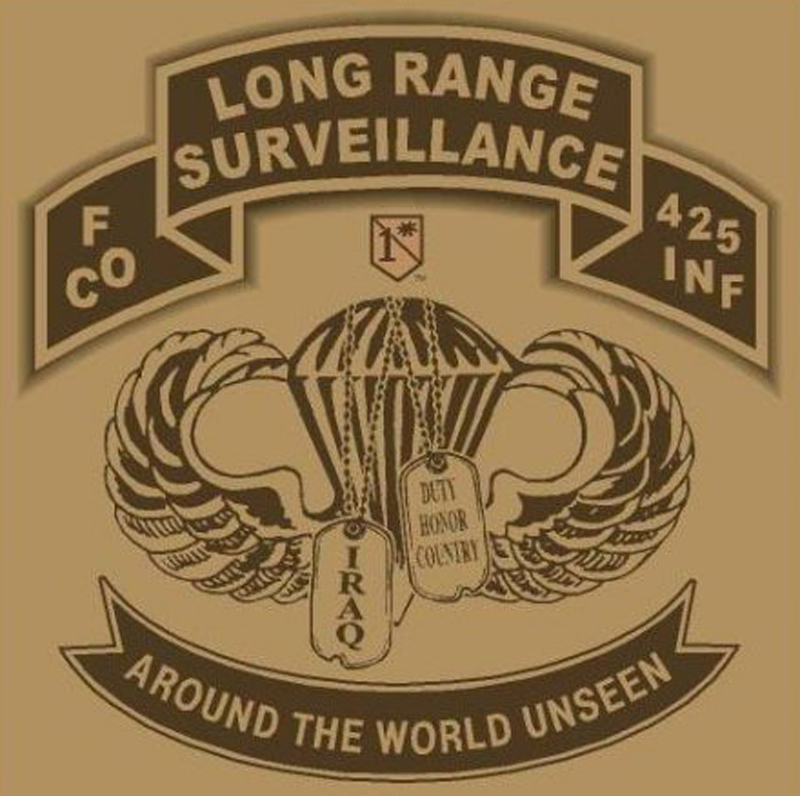
Our unit was one of the smallest and least known of the entire U.S. arsenal. To this day, even its modest Wikipedia page is short and light on details. In the records of units who participated in REFORGER, our unit is buried deep inside another. That I know of, there is not a single photo of us in Germany. An unofficial unit insignia we made had the inscription, “Around The World, Unseen.” We were, as my Patrol Leader was fond of saying, “Like smoke in a hurricane”.

What we learned from the Cold War and the Berlin Wall coming down served us well. In the first Gulf War Long Range Surveillance Teams, now part of a new secret U.S. Army Special Forces unit, penetrated deep into Iraq to survey routes for armored invasions, find Scud missiles and direct airstrikes and rescue downed U.S. airmen. Long Range Surveillance and its value was more than proven. Again, as it was by the reconnaissance teams before us, the LRRPs in Vietnam and recon and intelligence units in WWII.


By Tom Demerly.

vets10

Private E-2 Jerome Davis from Corpus Christi, Texas is 18 years old. It is his eighth day of basic combat training at the U.S. Army Infantry School, Sand Hill, Fort Benning, Georgia. It’s 88 degrees out today with 71% humidity and only 5:00 AM, or 05:00, in the morning. Private Davis is on the PT (Physical Training) field doing “mountain climbers”, sit-ups and push-ups. Lots of push ups.

He hasn’t written a book about himself, but he is a Veteran.

Specialist E-4 Lashonda Davis of Mobile, Alabama is 20 years old. She is at Ft. Rucker, Alabama learning how to work on helicopters. She studies manuals, checklists, written procedures and maintenance schedules from 06:00 to 21:00 every day. She wants to be a crew chief on a $6.2 million dollar Army Blackhawk helicopter. In less than four years, she will achieve her goal.

There are no movies about Specialist Davis. But she is a Veteran.

Lance Corporal Alan Mayfield, United States Marine Corps, from Madison, Wisconsin says he gets up in the morning, does PT up on the flight deck, holds map reading, communications and weapons maintenance classes with his squad between breakfast and lunch, does more PT in the afternoon, then “sits around and watches movies or plays games” the rest of the day on the USS Bonhomme Richard (LHD-6) in the Pacific during a long deployment at sea. “It’s pretty boring,” he says. When he is not at sea he is stationed at Camp Pendleton, California as part of a U.S. Marine Corps Expeditionary Force.

Lance Corporal Mayfield has never been paid to give a speech about himself. But he is a Veteran.

110512-A-NR754-014

Maurice Fregia is a police officer in Houston, Texas now. He was in the 82nd Airborne Division at Ft. Bragg, North Carolina. He parachuted into Grenada on 25 October, 1983 to help secure the airport at Point Salinas. He went on to be a part of an intelligence unit attached to the 82nd at Fort Bragg before leaving the Army to be a police officer in his hometown.

There are no video games with Maurice Fregia in them, but he is a Veteran.

According to Wikipedia there are 1,369,532 people in the active U.S. military and another 850,880 in the reserve components. Less than 0.5% of the population of the U.S. serves in the military but they provide security for the other 99.5% of Americans. Only half a percent of the population, many of them young and with only a basic education, provide security and enforce U.S. doctrine in nearly 150 countries around the world. All for the rest of us. So we are safe.

But while one-half of one percent of our population assures our security, that small minority makes up 40% of our homeless population. A fact that is perhaps our greatest national disgrace.

There are no books, movies, TV shows, video games, documentaries or speaking tours about any of them. Every day, around the world, they do their difficult, long, cold, tiring, tedious, complex, boring, hot, wet, uncomfortable, lonely, frightening jobs without recognition, with minimal praise except from their peers and family, and with modest and humble character.

They do this so that we can remain insulated from a world where security and freedom is granted to only a privileged few, and often on the backs of a subjugated many.

Today is Veteran’s Day and we recognize the efforts of this quiet culture of humble sentinels.

So while you may enjoy a book about chiseled men from stealth helicopters on daring raids in foreign countries, those books never tell the millions of stories of hard working Soldiers, Sailors, Marines, Airmen and Coast Guardsmen that we recognize on this day.

Today, you may be well served to reflect upon their contributions to our liberty and freedom. Their story will never be on the big screen, the game console or the bestseller list. But it is no less heroic and selfless.

vets30

In a great national tragedy Veterans make up almost 40% of the entire U.S. homeless population.

By Tom Demerly.

ironman history 70s 1

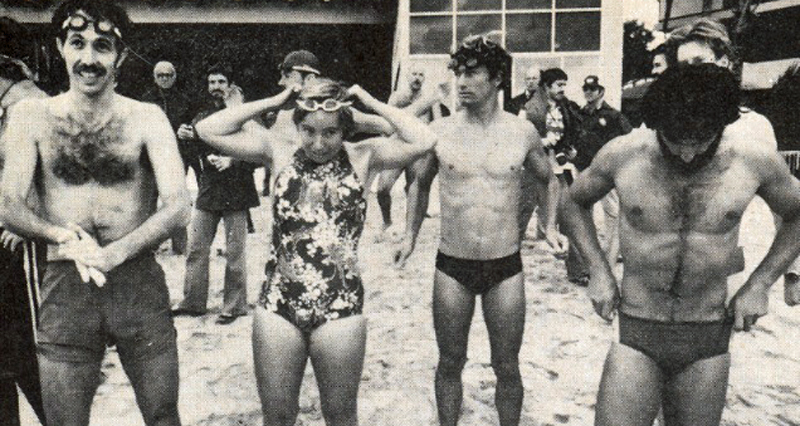
On the beach at the 1979 Ironman start on Oahu before the race moved to Kona. Interestingly, this swim was cancelled too, and moved to the next day due to bad weather.

With the swim cancellation at Ironman Florida this past weekend an obvious question reemerges: Has the Ironman Triathlon become too easy? Too “homogenized”? Is it a watered down event that panders to the business of sponsorship deals in an attempt to satisfy a financial relationship with Providence Equity Partners?

You could say Ironman has changed. But it would be more correct to say Ironman has grown. And with growth, change is inherent. The value judgment is whether Ironman is a better series of events than it was before World Triathlon Corporation and Providence Equity Partners.

I say yes.

Ironman is a better series of events now than it has ever been, and its future is brighter and more promising than ever.

With the move toward greater general participation in Ironman there comes a greater responsibility for race organizers to provide a safe, well-monitored and responsible event. Sometimes that means cancelling a swim.

World Triathlon Corporation has shouldered the responsibility for safer events well, consistently producing a growing number of high quality events around the world in different markets while improving the experience of athletes in their World Championship events as well. WTC has added value across the entire spectrum of the athlete experience. Show me any other company in this industry that has done the same.

Behind the scenes WTC has subverted exposure to scandals that have compromised pro cycling and the Tour de France. To understand the importance of this stewardship for the integrity of triathlon one need only compare U.S.A. Cycling membership numbers over the last decade to U.S.A. Triathlon membership numbers. Competitive cycling participation numbers sank in the post-Armstrong era. Triathlon numbers have boomed.

Swim 3

We may believe that entering Ironman puts us on the frontier of human endurance. Right up there with climbers on Mt. Everest, sailors racing alone around the world and other extreme athletes. That is partially true. Ironman pushes personal boundaries, but lies within the limits of human boundaries. Because of that the sport has evolved from being fringe to mainstream.

Recall that the Olympics prevented women from doing endurance running events as recently as the 1970’s and that women were barred from big marathons as recently as four decades ago because of concerns it may be bad for their health. Ironman was once considered to be at the outer limits of human endurance. We’ve since learned it is a doable event for the citizen athlete.  Now both are fixtures in endurance sports.

Ironman is also a transitional event in a person’s life, moving them from the status of big sports spectator to big sports participant. That doesn’t make Ironman an easy event. Ironman will never be easy. It will never be homogenized. The ruthless arbiters of time and distance have absolute rule over that.

So for those who say Ironman has gotten somehow “too easy” on its competitors, I say one thing to you: Then go faster.

Within Ironman lies layers of personal challenge that are enormous. Finished before the cut-off? Excellent. Come back next year and go under 15 hours. Then go under 13… then… Ironman provides a palate against which Anything is Possible, and that means personal growth, achieving new goals, setting a P.R. and even having a swim cancelled for safety reasons. As with life, Anything really is Possible at Ironman, but at Ironman you have 17 hours to get it all done. It is literally life packed into one long day. And like any experience in life there are ups and downs and the first goal is to get to the end of the day alive.

Author Tom Demerly has done endurance races on all seven continents. He has done the Ironman World Championships, way back in 1986, when some would say the race still had “soul”. He’s raced triathlons, Ironman, ultra-distance running races and adventures races around the world, from Africa to Vietnam, from Antarctica to British Columbia, from New Zealand to Thailand. Demerly did Mark Burnett’s Discovery Channel Eco Challenge and the Raid Gauloises. He has competed in races people died in. Demerly has also climbed the highest mountains on three continents and served in the U.S. military in a long-range surveillance unit.

By Tom Demerly.

fury50

Brutal and intimate, Fury delivers an artful insight into the horror of war so masterful it leaves you tense and beaten.

Writer and Director David Ayer, who also made Training Day and End of Watch, rivals the terror and rhythm of Saving Private Ryan in Fury but with a more visual and animated presentation. Many of the scenes in Fury appear ghostly and impressionistic, almost like a graphic novel. They combine a vivid and experiential depiction of war. The movie is so effective at drawing you in you leave the theatre stiff and battle fatigued, as though you had spent cold hours in a rattling Sherman tank like the characters so brightly brought to life in the movie.

Fury opens a little clunky, trying a little too hard to show the horrors of war and knocking off the initial story line of Saving Private Ryan perhaps more closely than not. Once the movie moves out, literally and figuratively, it hits its stride and you better take a deep breath.

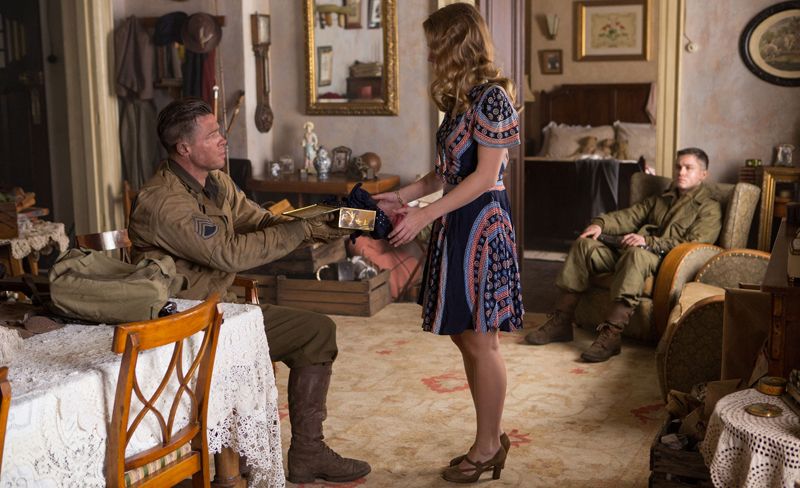
The second act of Fury is one of the most incredible scenes in any war movie. In an artful reflection of the true horror of war, David Ayer builds this scene without a shot fired or even a weapon in the scene. It is only characters, dialogue and circumstance combined with terrifying contrast and predicament that build an awful tension. Ayer was brilliant to include this scene because it adds an ingredient missing from the current perspective of conflict; context. It dramatically shows the contrast between fragile civility and apocalyptic war. Most war movies show sweeping battlefields and fast action. This scene brings the horror of war into your dining room. This scene alone is a triumph of the film and leaves you ragged and stressed.

fury10

The degree of technical accuracy in Fury is remarkable, down to the minute details of personal equipment, tactics and set dressing. The entire production is built around meticulous attention to detail, and this realism supports a plot that does, at times, feel like a bit of a stretch until you recall your history of WWII. Fury is likely more realistic than we’re comfortable accepting.

In a four on one tank duel with the vastly superior German Tiger I tank, the U.S. Sherman tanks demonstrate the authentic tactics used to try to defeat the boxy German monster, and with the usual authentic result. This scene conjured images of the huge tank battles in the Iraq Wars along with WWII.

Brad Pitt is predictably excellent and does not weigh the film down with his brand. Other characters follow the real life storylines of the people you knew in the army; the offensive hick, the Latino, the brainy guy. Those stereotypes are redone in Fury but with maxed-out realism. If there is a standout performance in the film it is Alicia von Rittberg as Emma. Her character is a flower in the battlefield, and this impossible contrast creates an unbearable tension.

Fury is an ordeal to see. You don’t leave wanting another look, but you do leave in awe of what a well-crafted visual story can do to you. It’s also an ode to the harrowing ordeal of our greatest generation and the horrors that contrast against their great successes. Fury earns its place on the shelf with truly great war films with its realism, horror and even its sensitivity.

By Tom Demerly.

max10

Max the kitten has died.

He was only 5 weeks old.

Max’s introduction into this world was bad. Someone abused him when he was only 2 weeks old. He suffered a broken back and hind legs, likely thrown out of a car or building. His injuries went untreated for another 2 weeks. Eventually a Good Samaritan named Jman found Max and wrote about the kitten’s difficult life on Facebook. People reached out and helped.

But it was too late.

What can we take from the short, tragic life of Max the Kitten?

We have choices of how to shape the world. We can build a world of empathy and kindness, or be indifferent and callous.

There are many things we can’t change about life and the world, but within our sphere of influence- the small spectrum of things we can influence- we have an individual choice. We can build our own little world. The man who found and helped Max built that world for him, a world of safety and love. So despite Max’s injuries and suffering he left this earth from a good place after entering it from a bad one. Mankind initially failed him, but tried to redeem itself.

As small individual worlds of healing and kindness are created, they slowly begin to connect to a collective goodness. The world we build, built one person, one small sphere of influence, begins to slowly connect into a greater goodness.

There is a belief that how a person and culture treats animals is reflective of their overall character: if they are kind or cruel. There is science that shows empathy is taught and grows from empathy, and cruelty and indifference does the same. Humans are not wired a particular way. They reflect what they are shown.

So while there is tragic sadness to the cruelty heaped upon poor little Max and his death, there is also hope in the care and love he received in his final week.

The problem is the race between these two extremes is a tight one.

max20

With humanity comes the responsibility of massive intellect. In general mankind has done a bad job of administering this responsibility. Mankind isn’t very kind. Our collective conduct is rife with cruelty and indifference. But within our own individual worlds we can build something better. A place where empathy and compassion are our greatest virtues, the first things we do, and in that we become wiser, stronger, smarter and more fulfilled in our own brief, ephemeral lives.

Nobel Science Prize winner, author and inventor of the communications satellite, Arthur C. Clarke once wrote, “We each create our own reality”. Clarke’s observation is true. And while our collective reality is rife with disparity and conflict, our individual realities can be abundant with kindness and empathy, a haven from the friction that exists between these extremes.

Eventually similar realities begin to connect into something called a “functioning core”. These connected realities become a group of people who expand the values of empathy and kindness across cultures and humanity. The virtue of kindness and empathy rises to trump selfishness and solitude.

I didn’t want Max’s short feline life to go unnoticed, nor did I want to leave Jman’s act of empathy unrecognized. Because these things are our moral compass. Our collective guidebook to something better. Our hope. One kitten at a time.

Postscript:

If you want to help create a greater functioning core and build an individual reality of kindness and empathy, you can. Volunteer at your local animal shelter. Spend a day at a local food bank. Make a donation, however small, to a cause that helps those who cannot help themselves. Here are two of my favorite:

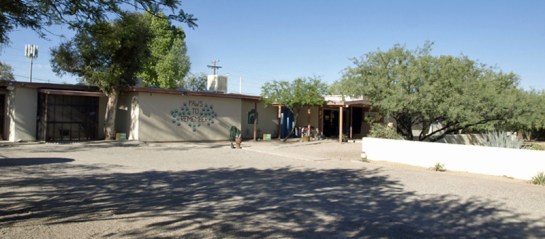
The Hermitage No-Kill Cat Shelter in Tucson, Arizona:

OLYMPUS DIGITAL CAMERA


The Dearborn Animal Shelter in Dearborn, Michigan:

cat30


(Really…) By Tom Demerly.

action

The cycling press has seen some pointed allegations of plagiarism recently, especially in equipment reviews. Most notably the online publication Bikerumor.com has come under criticism for potential plagiarism of gear reviews from noted editors like James Huang of cyclingnews.com.

In cycling media it’s pretty easy to flush out who the original authors are and who the copycats are. You look at content and publication dates. When things are worded closely it may be a coincidence or it may be strict adherence to journalistic format. You can only say so much that is unique about a guy riding around a track for an hour.

But when things are worded identically and formatted in exactly the same order that smacks of quick and dirty cutting and pasting: that’s plagiarism.

Luckily, most writers in the cycling industry are terrible and have no training or even a grasp of English usage. You wouldn’t want to copy their work, let alone read it. So it goes un-copied. And unread.

I’m lucky. My early journalism, media and English teachers hammered me with the rules for original content. Every one of my journalism and media teachers worked in active news and feature publication before they taught. One of them, Mr. Russ Gibb, revolutionized media by popularizing subscriber television. These are the guys I learned from; Mr. Bartell, Mr. Korinek, Mr. Gibb. Later I had editors who were both smarter and better writers than me. That helped, and I learned from them too.

Like libel, plagiarism can be difficult to prove. Part of the reason is that a formally trained journalist writes in a format taught to all journalists. It’s the common “Inverted Pyramid” that starts with a lead, contains a “who, what, where, when…” and ends with a conclusion. Feature content is a little less structured but generally starts with a “hook” to draw readers in, something fast and catchy to hold them and then terse, tight copy to tell the story.

That’s how it should be.

The biggest temptation for journalists to cheat the system came when word processing software gave them “cut and paste” capability. It became easier to cut and past with a few keystrokes, do a quick rewrite and call it your own. Before that, and I am proud to say I wrote in this era, we used typewriters with no “CTRL C” capability. We actually had to think.

Any journalist or creative writer will tell you there are only so many stories, so many plots. That’s a fact. Depending on where you learned to write you ascribe to the knowledge that there are somewhere between 7 and 20 storylines in all of human communication. That’s it. Everything written is some variation on those formats. The problem isn’t when someone tells the same story, even in the same order or similar voice. The problem is when someone steals someone’s hard work through a quick cut and paste and then calls it there own, then sells it (and ad space around it) and benefits from it.

I recently wrote a feature about an endurance athlete who did a long distance open water swim. It was a luxurious article to write, something I could really get into since I knew the characters and genuinely admire them. I took my time with it. Fawned over it. Spent too much time on it by the measure of any barking editor hanging over a copywriter like a Damocles deadline.

Two days after I wrote that story a local feature writer knocked off my article nearly word-for-word including verbatim quotes that came from questions I had written, and asked. They stole my “slant” on the topic. I earned that journalistic intimacy over time because of my familiarity with the topic. Those were the things I brought to the table with this story, and another writer pulled them off my table, put it on their own and said, “Look at this story!”

What can I do? Nothing. Nor do I have the rancor to do anything. Instead it makes me want to be more original, more stylized, more unique and more professional in my writing. It makes me want to hone my craft to a degree that, when people read my stuff, they know it is me. And when they read something similar, they say, “This sounds like something Demerly would write.”

The ultimate praise for a writer and author is to have a “style” attributed to them. You hear literary comparisons that say, “This is like Hemmingway” or, an ultimate complement like “Reads like a Tom Clancy novel.” Through style, voice, innovation and commercial success some writers have built their own “brand”, a style so unique they own it, no matter who borrows it.

Until a writer achieves that level of uniqueness and originality it kind of all boils down to “who, where, when and what”. And the best way to rise above the in-actionable (even when accurate) accusations of plagiarism is to simply elevate your writing above it, so no one can steal it.

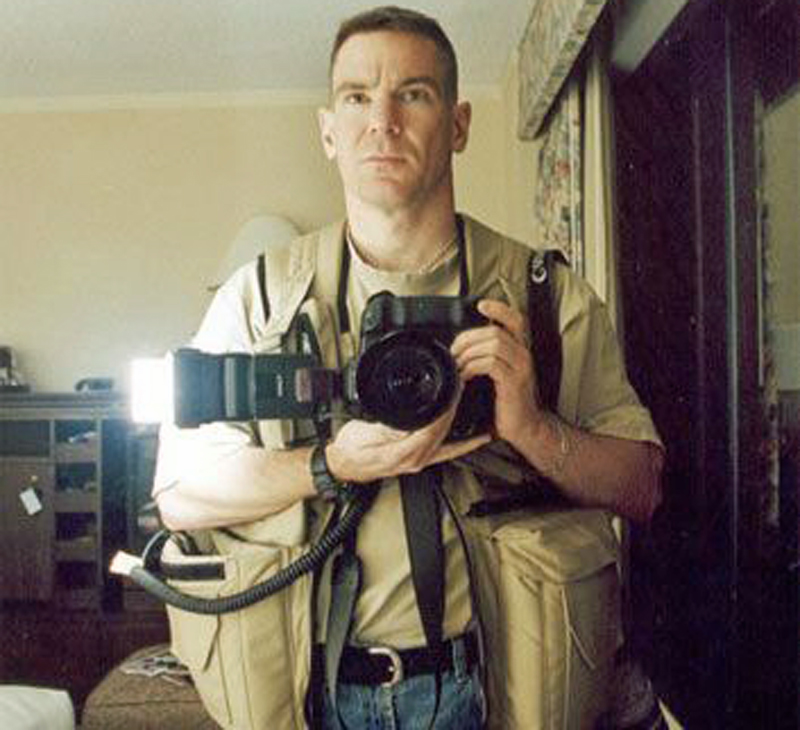
tomphotoguy

By Tom Demerly.

story10

I was sick.

Some kind of flu. It’s going around. And not enough sleep. Been up since 4:45 AM working a triathlon down on Belle Isle in Downtown Detroit. The State just took the island back from Detroit so people from the suburbs go there again. It’s OK.

I decided to take the long way home. You drive through factories, past a Mosque and through Mexicantown. It’s colorful and interesting. Like a meal eaten in a small foreign country, you’re not sure what you’ll find in it.

story30

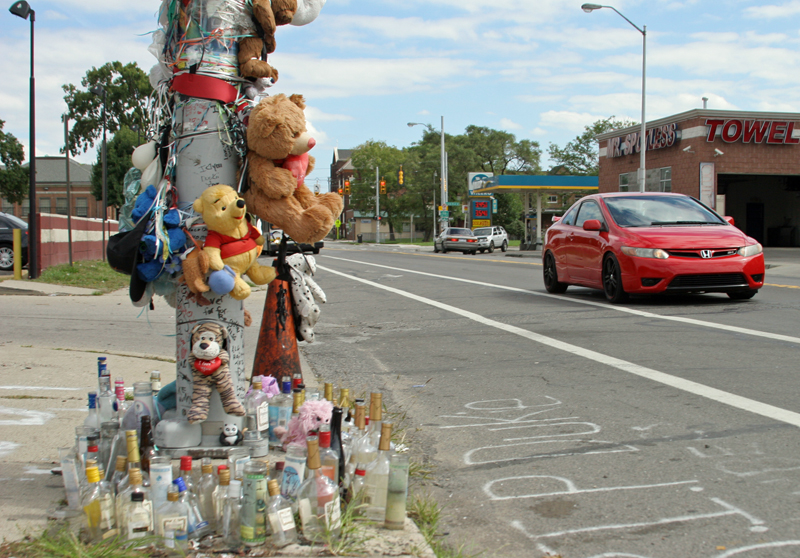
I saw some kind of weird industrial… I’m not sure what it was. Art? Lawn maintenance equipment? Something from a steel mill? Stopped to shoot a photo or two. A little farther down the road, through Mexicantown, the candles and bottles on the corner reminded me, and all the stuffed animals. “Man, I gotta get this…”

When I walked across the street I briefly let my guard down. Men had set up an OP (observation point) on the corner across from where I was headed, offset but with full visibility on my objective. The second they saw my camera I heard them, “He’s takin’ pictures of it.” There were three of them. Now they were between my vehicle and me. Hmmm.

There were liquor bottles, lots of them. Writing on the street, out into the street. Stuffed animals. Notes written on the pole with a sharpie, paint pen, everything. Some in English, most in Spanish. The stuffed animals were fastened all the way up the pole. Some of them were oddly garroted to the pole with wire. They were filthy from weeks in the rain. It looked like a drug cartel had murdered stuffed animals.

“What you takin’ pictures?” The tallest of the three asked. He left off the word “of”.

I walked across the street to make eye contact and speak with them at a normal conversational distance. As if it were normal for me. “I was driving home and I saw this. I’ve seen it before, with people around it at night, and candles.”

The skin on his face seemed drawn tight to his skull. He was tall, handsome and fit. Held his head a couple degrees above level. But he looked tired. “Hey man, lemme show you…”

Now let’s back up a few steps. I’m a guy pretty obviously out of my element, carrying a few thousand bucks worth of camera gear, big camera gear. My truck is parked in a lot filled with broken glass and a car, an old car, with a very large woman in it coughing… or singing… or… I’m not sure. Something really big is hanging down underneath the car. It lists to the side she is on. A man sits obscured by a dense cloud of smoke next to her. I decide this is a great photo op for my friends on social media back in the ‘burbs. The way I would photograph a peacock at the zoo. It was just so… urban.

story20

But this isn’t a peacock in a cage. These are the lives of people, dense and complex, dynamic and evolving.

“I got a picture of him in here.” I walk into a smoky party store with a wall encased behind thick, marginally clear, mostly yellowed plastic. I’m a little wary, heck, I’m scared, so I don’t notice where the fruit pies are. There are lots of bottles behind the plastic wall, and a low man with a gigantic head that melts into an even wider neck. Patches of black hair on his head. Lottery tickets, just a few.

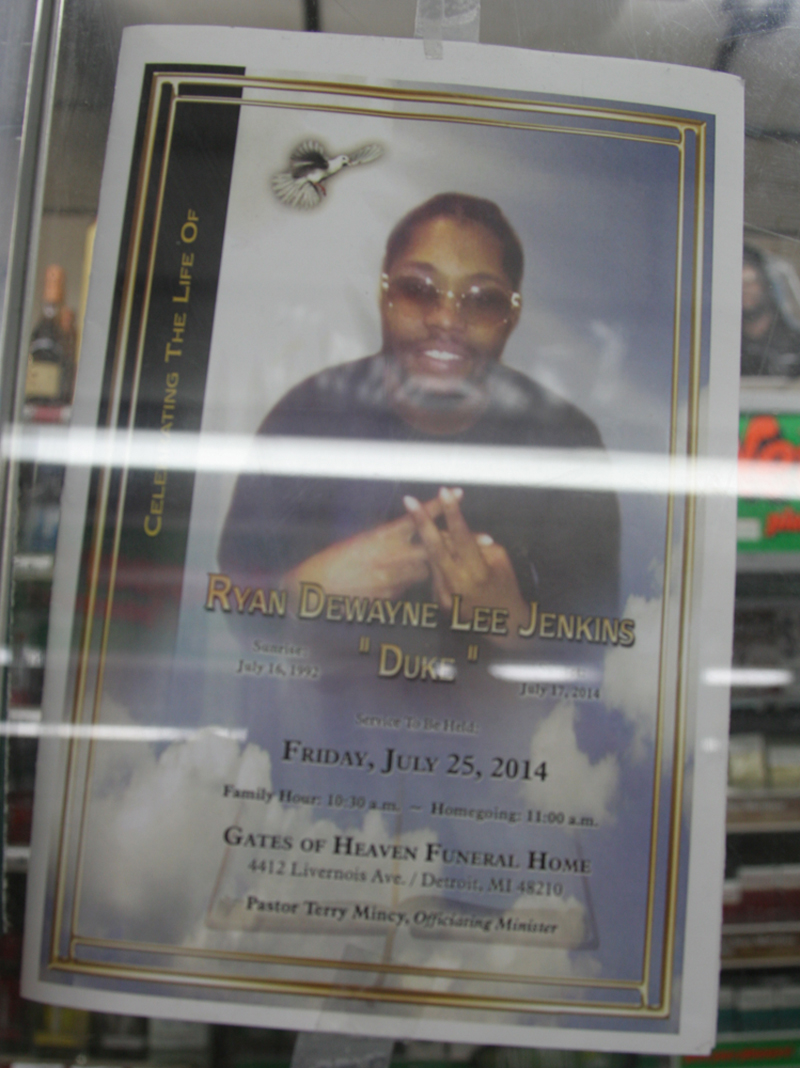
“Here man, this is all about it.” It’s behind the thick, yellowed lexan armor. Glare is coming off it so it’s tough to photograph.

His name was Ryan Dewayne Lee Jenkins. Nickname, apparently, “Duke”. Jenkins was eulogized on Friday, July 25. He was shot to death standing at that corner some days earlier. No one explained to me why, and I did not ask. The funeral card in the party store said, “Celebrating the Life Of…” In the photo Jenkins is making some sort of hand sign and his fingernails appear… unusual.

I do not know what happened. I did not ask. I should have. The man told me Jenkins was shot to death. There was a tension surrounding the topic, perhaps continued pain from the loss. Maybe more. I don’t know. The body language of everyone interacting with me was… guarded. I would suspect it might be, especially toward some odd guy carrying a camera taking photos of what is a sacred and intimate memorial. So I took my photos and left.

story40

But as I was leaving one of the men walked up to my truck. I rolled the window down. “Hey man,” he said, “You wanna see something else?”

“Yeah” I told him.

“Go down there, four blocks. There is a candy store. A veteran and a girl own it. It’s new. It’s all they do. Brand new. Sells candy. They’re trying to make it. Go on down there and take some pictures of it and talk it up. They’re doin’ good, tryin’ to make it…”

I followed his directions but didn’t find the candy store. Dropped a pin on a GPS map on my phone and told myself to come back here- that there was more to the story. Much more. My head felt worse and I was so tired it was hard to drive. I went home. But I told this guy I’d help him by telling his story, so I sat down to type before I went to bed.

Detroit isn’t raw, urban or dangerous. It’s not “on the brink”. It isn’t particularly cool or edgy. It’s small town USA in the second decade of the 21st century. People work, they’re friendly, they welcome you. They strive for a better tomorrow. They aren’t closed off and there are no barriers. Two things missing from Detroit are falsehood and pretentiousness. We know the city is run down and dirty. We’ve been through a lot. We’re working on that. It didn’t happen over night. We’re responsible for it, we’ll fix it, and it won’t happen again in our lifetimes. And as it heals and rebuilds its’ stories peel away like scabs off a wound, and sometimes they reveal scars.