Archive

Tag Archives: author tom demerly

All Photos and Story By Tom Demerly and Jan Mack.

shark20_700size_wcredit

What is left of our oceans? Is it too late to “save” our planet? Does sustainable tourism exist?

Roatan, Honduras is an island 40 miles off the coast of mainland Honduras in the western Caribbean. It is home to the largest barrier reef in the western hemisphere, the Mesoamerican Reef, second largest in the world.

My girlfriend Jan and I went to Roatan to find a place that is quiet and safe, untrampled by tourists and free from the industrial harvest of its resources. We wanted to see if there is anything left.

We found interesting- and disturbing- contrasts.

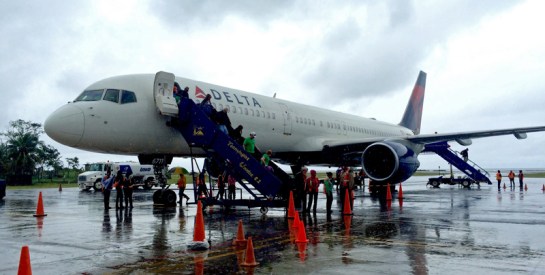
One 7,858-foot concrete airport runway serves Roatan. It’s large enough to land a Boeing 757 on- barely, and according to some sources, not quite long enough to take it off from. But Delta Airlines operates 757 service to Roatan once a week if weather permits.
plane

The Saturday we flew into Juan Manuel Gálvez International Airport was iffy. Low cloud and driving rain raked the island. It was February 13, 2016.

There is no modern landing approach system for Roatan’s only runway- no runway lights either. If the weather is too bad to land when you get there, you fly back home. The landing is even sketchier since your aircraft has to carry at least enough fuel to fly back to the mainland if it can’t land because of bad weather. During the fifth circle above the airport at 3,000 feet over a barely broken- and thickening- cloud layer our pilot’s announcements became increasingly tense.

“We’re going to try for it.” The pilot announced. Airline passengers are uneasy with terms like “try for it” when it comes to landing a big plane loaded with fuel on a short island runway.

Our huge Boeing caromed onto the end of runway 07/25 right on the ocean’s edge like a fighter onto an aircraft carrier. Brakes screeched hard as the thrust reversers on our twin jet engines shot an eight-foot diameter plume of spray forward of our plane. With only yards of runway left we stopped. We didn’t know when we landed we would need every inch of it for take-off a week later if it were a hot day, which is almost every day in Honduras.

Minutes later a United 737 twin-engine airliner made a similar attempt at getting into Roatan- and failed. He flew back to the mainland. We were the only flight to get onto the island that day. When we left the immigration checks, the airport closed.

They fingerprint you coming into Roatan and take your picture. There have been problems. Problems with people coming to commit fraud, sexual crimes, drug use and trafficking. It isn’t an epidemic though. The island is, based on our experience, safe and friendly. The islanders have built this line of defense against the things that make mainland Honduras, one of the most dangerous places in Central America, unsafe for tourism.

bird

Every islander told us that mainland Honduras milks Roatan tourism as its cash cow but returns little back to the island. Both holiday tourism from the few cruise ships that visit for day trips and slightly more adventurous “eco-tourism” for the SCUBA diver crowd. Jan and I were the later. We imagined ourselves as somehow… “better” or more authentic than the cruisers.

Our base would be Blue Island Divers, a rustic, beautiful dive center on the north coast of Sandy Bay with two cottages on the beach. Eric and Carly White run Blue Island Divers. They’re Texans, with the attendant drawl and pleasant manner. But their easy attitude belies a work ethic that is tireless. Filling SCUBA tanks, fixing plumbing, scheduling dives, maintaining boats, serving drinks, teaching new divers and improving existing ones- all done quietly behind the scenes against a backdrop of relaxed island paradise.

house

What Carly and Eric have created at Blue Island Divers is a sparkling gem in a vast sea of lesser experiences. Authentic and welcoming, small and quant, this is exactly what we had hoped for- a quiet cabin on a remote beach with tropical birds and roosters for alarm clocks, sunset views and hammocks swaying under jungle palms. It looks like a movie set. Exotic reef fish swim in shallow, crystal water forty steps from where our heads hit the pillow in our cottage. You can walk the beach for kilometers in either direction. The reef sits yards off the beach, creating a calm estuary ideal for swimming, snorkeling, sunning and teaching new divers. In our front yard lies some of the best diving anywhere on earth- a two-minute small boat ride away. Some dives sites you can swim to.

hut

Our beach cabin at Blue Island Divers in Roatan.

My girlfriend Jan is a new SCUBA diver and I am an old one who hasn’t been underwater in years. We took basic and refresher dive training in Michigan then went to Roatan for her open water certification dives and to explore one of the most renowned dive sites in the world.

Jan is a triathlete who had open water swim anxiety. She ‘s an Ironman finisher. It may seem odd that she was uncomfortable swimming in open water but fears of the unseen live in our minds that way. SCUBA diving is a way to understand what is really below the surface to moderate those fears.

jan surface

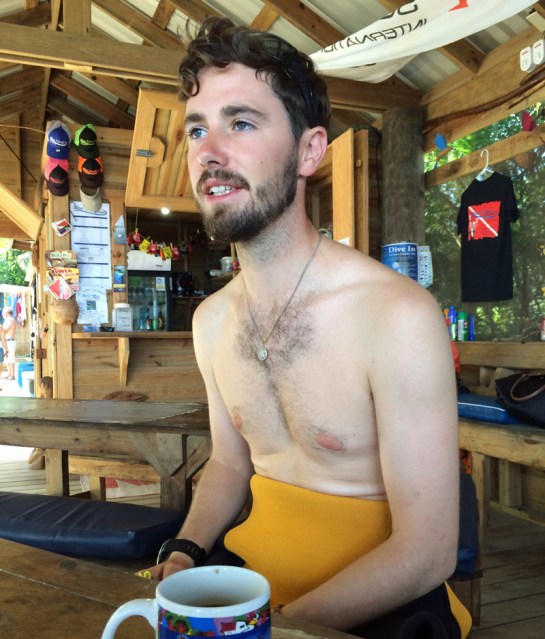
Our dive instructor and dive master at Blue Island Divers is Russell Nicholson, 26, originally from Newmarket, United Kingdom. Nicholson looks the part; short, Errol Flynn beard, curled hair and relaxed eyes that never waver, never suggest alarm or urgency. His voice is a laconic monotone of British accent, always spoken at a volume that politely requests attention rather than loudly demands it. His remarks about a dive site, sea conditions, dangerous sea life and submarine lesson plans are precisely spoken and trimmed of any sensation. There is the slightest hint of Ian Fleming’s James Bond when he suggests we “Just go inside, and have a nice swim-through” at an underwater cavern in 65-feet of ocean that opens over a submarine cliff dropping into a black abyss. No other dive master could have made us confident in such an expedition. Nicholson made it seem almost… pastoral. “We’ll just kip down and have a look, then we’ll decide.”

Russ Nicholson got here after finishing college, sciences and exercise physiology, in England at the height of the recession. With poor job prospects he did what any self-respecting English adventurer does, he traveled the world as a SCUBA instructor.
Russ

Dive Instructor Russ Nicholson.

“Egypt was incredible, but the Muslim Brotherhood and the unstable government made things a bit dodgy at times…” From there to Asia, Thailand, Indonesia across the Pacific to Australia where he worked construction for a couple years. Then back on the road of undersea adventure as an expert dive instructor. Nicholson certified over 500 divers and built a reputation as one of the finest dive instructors across that part of the world. Now he sat across from us, our own private instructor and underwater guide.

Drenching rains and ocean gales pummeled the island washing rivulets of thick jungle mud through swollen rivers dumping into the ocean when we arrived. The island wore a dense, brown belt between its beaches and the reefs. Diving was nearly impossible in the salt-water muck upon our arrival.

rain

A short day later as the weather broke we boarded one of Blue Island Divers’ small dive skiffs from their dock and motored over peeling tubes of big waves that looked like the opening of “Hawaii Five-O”. Our boat Captain, Elden, is an islander. To him the sea has road signs on it. To us it was a dangerous tempest. He navigates the waves and reef like a commuter on a cloverleaf with a Garmin.

Elden found passage between a small island and the reef, ducking behind it then out to sea between waves. Once past the reef our dive boat rose and fell with nauseating amplitude. Combined with a grey sky, dark water and threatening rain it was a good day to lose your lunch over the rail. I dry-heaved five times in the attempt.

After Russ administered our pre-dive checklists and Jan and I did a buddy check we did a back roll entry, swam the five-foot rollers on the surface to the reef marker and deflated our buoyancy compensators for the descent.

Everything changed. A vast landscape, varied and perfect, spanned below us as we fell like underwater skydivers to the white sand sea floor. It was calm underwater. Swarms of colorful fish swam easily in relaxed processions over white sugar sand between coral arrangements the size of buildings. Instantly ten or fifteen species were in front of us. As if queued by our entry a peaceful sea turtle flew over the bottom. What was chaotic and stormy on the surface gave way to Roatan’s main paradise- the paradise beneath the waves.

shark90

Nothing prepared us for the enormity and splendor of underwater Roatan. It’s shocking. Otherworldly. Only feet below the surface the world changes entirely. No other transition in human experience is as abrupt and dramatic. It takes billions of dollars and decades of technology to fly into outer space. It only takes a few SCUBA lessons to fly into the inner space of underwater Roatan as weightless aquanauts.

We dove on reefs and shipwrecks, to 100-foot depths and searched for fish species, cataloguing them on an underwater slate. Russell planned underwater navigation exercises for us on land, briefed and rehearsed us, then lead our dives and administered tests in underwater compass reading, distance measurement and every aspect of open-water recreational sport diving. We did two and three dives a day.

Roatan skies yielded to sun and calm seas. The surface conditions improved. We became more relaxed and at home in the ocean. Bobbing on the calm surface before and after a dive under warm sun was relaxing. When we surfaced we ate orange slices picked from trees the day before.

lizard

The only contrasts came when we were back on land. Roatan is a poor island. People lead a subsistence life working in service industries. When we walked on some of the beaches toward the small tourist area visited by the cruise ships the amount of trash on the beach was disheartening. During some of our dives we collected bits of plastic bags from the reef at depths of 60-feet, deadly plastic bags that could choke a sea turtle or strangle coral.

In a strange irony the deadliest things in the ocean were plastic bags from cruise ship gift shops. The jellyfish, stingrays and sharks posed no threat. The tourist trash was killing things in front of us.

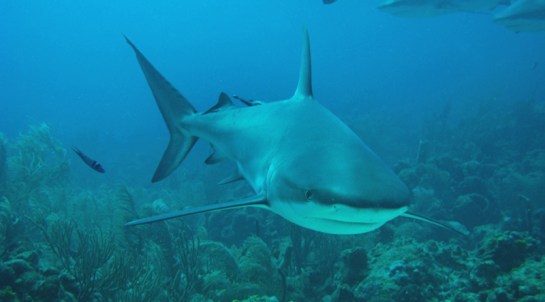
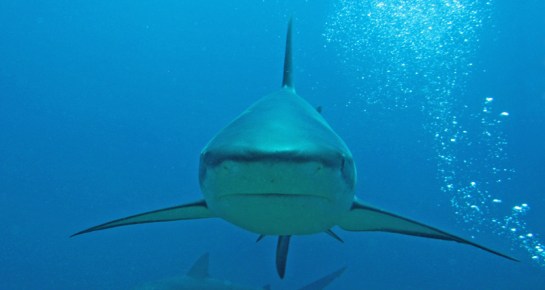
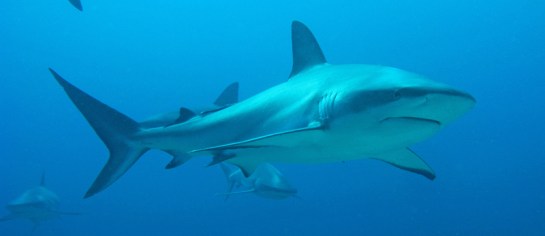
Among its dive attractions Roatan has a population of large Caribbean reef sharks (Carcharhinus perezii). One dive site, “Cara a Cara”, rests on the bottom in 70 feet of water about two miles off the south coast. Cara a Cara is the farthest from shore of hundreds of popular dive sites on Roatan. The sharks gather there. And so do the adventure tourists.
shark30

I’ve been a diver on and off almost since I was a teenager. Sharks, big sharks, have only been a rare, distant shadow in the sea that fades into the abyss after we entered the water. I learned sharks didn’t like people. Sharks ran from us. But at Cara a Cara the sharks will return each day if the divers do. The divers descend with a white plastic bucket with a few fish heads in it- not nearly enough for a meal if you’re a nine-foot shark, but enough to tempt them close enough for photography.

We rode a typical open-skiff dive boat packed with divers about two miles out to the dive site. It was rough, waves broke over the bow, we were soaked. One of the other divers, a Frenchman, joked that we looked like the opening scene from “Saving Private Ryan”. He was right.
shark40

At the moment I back-rolled off our dive boat I had become a part of the problem. I had become a tourist hoping to grab some snapshots of something that should be regular and natural in the ocean, but is increasingly fleeting, exploited and rare.

Descending the mooring line to Cara a Cara I saw the plan form of a big reef shark below me. Gliding on his pectoral fins, he steered a patient course over the white sand 60 feet down. Circling, weaving, looking, waiting. Then there were two, then six, then twelve- then too many to count. Some were massive, the size of a kayak. None were small. Most were pristine and perfect. One trailed a length of fishing line from a hook gouged into the right corner of his mouth. All of the sharks were, curiously, female. Five of them were pregnant. A hopeful sign.
shark80

We landed on the white sand bottom in a natural coral amphitheater at 70 feet. Two rows of divers, me on the end. Russ Nicholson dove with Jan and I on the dive. We brought our own SCUBA tanks and equipment since the shark dive operation’s compressor was broken and they had a reputation for allowing their SCUBA tanks to drain too completely for safe operation. Russ looked after us and the other divers. Only minutes after reaching the bottom Russ had to ascend with two divers whose tanks had become dangerously low on air way too quickly.

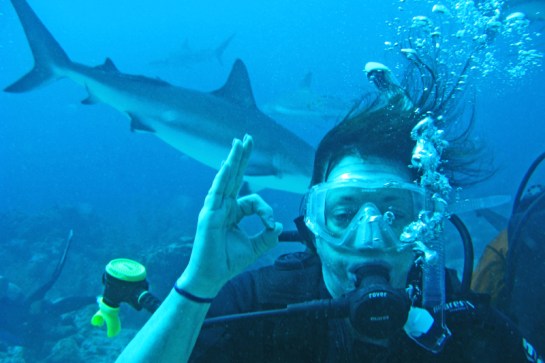
One diver ran a large video camera, the dive master on the dive administered the bait bucket and the sharks obliged with a display that reached a crescendo when they spun into a whirling feeding frenzy, sending sand flying into the water and reducing visibility. I was in the middle of a shark feeding frenzy 70-feet under heavy seas two miles off shore.
shark70

We swam amongst the sharks. They shared their ocean with us for a few minutes. We took their picture. After about 25 minutes on the bottom the sharks began to slowly drift back to the depths and we began to slowly ascend our buoy line, each party returning to its respective worlds.

I don’t know if what we did at the shark dive was good. Am I part of the problem? Did we somehow alter the sharks’ behavior? Does our diving with them threaten them? My rationalization included a promise that I would tell the story of the Sharks of Roatan Island, and now I have.

If you are a diver, you can see them too for $100 if you think that is a good thing. The dive boat is too crowded and the sea can be rough, but the sharks are nothing short of a miracle. A miracle that I am afraid may last only slightly longer than a perfect sunset on Roatan.

tom

Tom Demerly has written for “Outside” magazine along with a host of others and traveled on all seven continents. He isn’t any good at catching fish though.



By Tom Demerly.

vets10

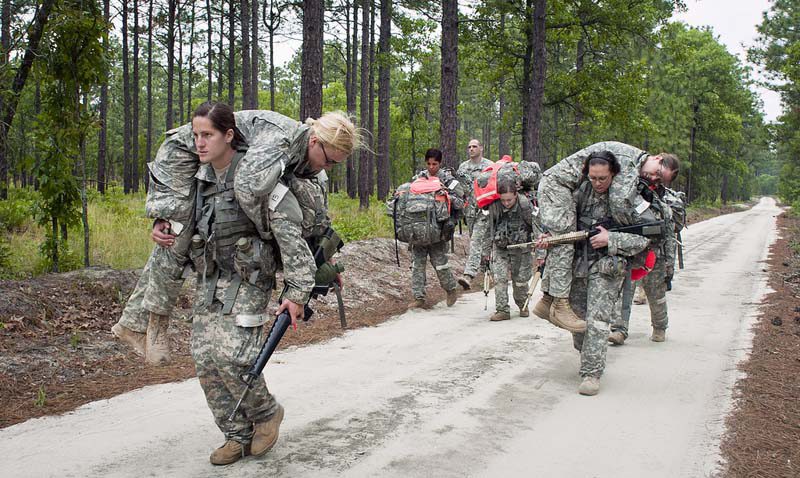
Private E-2 Jerome Davis from Corpus Christi, Texas is 18 years old. It is his eighth day of basic combat training at the U.S. Army Infantry School, Sand Hill, Fort Benning, Georgia. It’s 88 degrees out today with 71% humidity and only 5:00 AM, or 05:00, in the morning. Private Davis is on the PT (Physical Training) field doing “mountain climbers”, sit-ups and push-ups. Lots of push ups.

He hasn’t written a book about himself, but he is a Veteran.

Specialist E-4 Lashonda Davis of Mobile, Alabama is 20 years old. She is at Ft. Rucker, Alabama learning how to work on helicopters. She studies manuals, checklists, written procedures and maintenance schedules from 06:00 to 21:00 every day. She wants to be a crew chief on a $6.2 million dollar Army Blackhawk helicopter. In less than four years, she will achieve her goal.

There are no movies about Specialist Davis. But she is a Veteran.

Lance Corporal Alan Mayfield, United States Marine Corps, from Madison, Wisconsin says he gets up in the morning, does PT up on the flight deck, holds map reading, communications and weapons maintenance classes with his squad between breakfast and lunch, does more PT in the afternoon, then “sits around and watches movies or plays games” the rest of the day on the USS Bonhomme Richard (LHD-6) in the Pacific during a long deployment at sea. “It’s pretty boring,” he says. When he is not at sea he is stationed at Camp Pendleton, California as part of a U.S. Marine Corps Expeditionary Force.

Lance Corporal Mayfield has never been paid to give a speech about himself. But he is a Veteran.

110512-A-NR754-014

Maurice Fregia is a police officer in Houston, Texas now. He was in the 82nd Airborne Division at Ft. Bragg, North Carolina. He parachuted into Grenada on 25 October, 1983 to help secure the airport at Point Salinas. He went on to be a part of an intelligence unit attached to the 82nd at Fort Bragg before leaving the Army to be a police officer in his hometown.

There are no video games with Maurice Fregia in them, but he is a Veteran.

According to Wikipedia there are 1,369,532 people in the active U.S. military and another 850,880 in the reserve components. Less than 0.5% of the population of the U.S. serves in the military but they provide security for the other 99.5% of Americans. Only half a percent of the population, many of them young and with only a basic education, provide security and enforce U.S. doctrine in nearly 150 countries around the world. All for the rest of us. So we are safe.

But while one-half of one percent of our population assures our security, that small minority makes up 40% of our homeless population. A fact that is perhaps our greatest national disgrace.

There are no books, movies, TV shows, video games, documentaries or speaking tours about any of them. Every day, around the world, they do their difficult, long, cold, tiring, tedious, complex, boring, hot, wet, uncomfortable, lonely, frightening jobs without recognition, with minimal praise except from their peers and family, and with modest and humble character.

They do this so that we can remain insulated from a world where security and freedom is granted to only a privileged few, and often on the backs of a subjugated many.

Today is Veteran’s Day and we recognize the efforts of this quiet culture of humble sentinels.

So while you may enjoy a book about chiseled men from stealth helicopters on daring raids in foreign countries, those books never tell the millions of stories of hard working Soldiers, Sailors, Marines, Airmen and Coast Guardsmen that we recognize on this day.

Today, you may be well served to reflect upon their contributions to our liberty and freedom. Their story will never be on the big screen, the game console or the bestseller list. But it is no less heroic and selfless.

vets30

In a great national tragedy Veterans make up almost 40% of the entire U.S. homeless population.

By Tom Demerly.

ironman history 70s 1

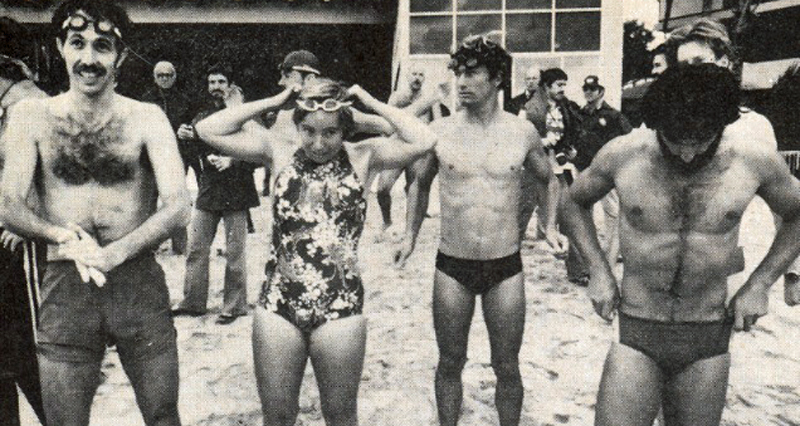
On the beach at the 1979 Ironman start on Oahu before the race moved to Kona. Interestingly, this swim was cancelled too, and moved to the next day due to bad weather.

With the swim cancellation at Ironman Florida this past weekend an obvious question reemerges: Has the Ironman Triathlon become too easy? Too “homogenized”? Is it a watered down event that panders to the business of sponsorship deals in an attempt to satisfy a financial relationship with Providence Equity Partners?

You could say Ironman has changed. But it would be more correct to say Ironman has grown. And with growth, change is inherent. The value judgment is whether Ironman is a better series of events than it was before World Triathlon Corporation and Providence Equity Partners.

I say yes.

Ironman is a better series of events now than it has ever been, and its future is brighter and more promising than ever.

With the move toward greater general participation in Ironman there comes a greater responsibility for race organizers to provide a safe, well-monitored and responsible event. Sometimes that means cancelling a swim.

World Triathlon Corporation has shouldered the responsibility for safer events well, consistently producing a growing number of high quality events around the world in different markets while improving the experience of athletes in their World Championship events as well. WTC has added value across the entire spectrum of the athlete experience. Show me any other company in this industry that has done the same.

Behind the scenes WTC has subverted exposure to scandals that have compromised pro cycling and the Tour de France. To understand the importance of this stewardship for the integrity of triathlon one need only compare U.S.A. Cycling membership numbers over the last decade to U.S.A. Triathlon membership numbers. Competitive cycling participation numbers sank in the post-Armstrong era. Triathlon numbers have boomed.

Swim 3

We may believe that entering Ironman puts us on the frontier of human endurance. Right up there with climbers on Mt. Everest, sailors racing alone around the world and other extreme athletes. That is partially true. Ironman pushes personal boundaries, but lies within the limits of human boundaries. Because of that the sport has evolved from being fringe to mainstream.

Recall that the Olympics prevented women from doing endurance running events as recently as the 1970’s and that women were barred from big marathons as recently as four decades ago because of concerns it may be bad for their health. Ironman was once considered to be at the outer limits of human endurance. We’ve since learned it is a doable event for the citizen athlete.  Now both are fixtures in endurance sports.
Ironman is also a transitional event in a person’s life, moving them from the status of big sports spectator to big sports participant. That doesn’t make Ironman an easy event. Ironman will never be easy. It will never be homogenized. The ruthless arbiters of time and distance have absolute rule over that.

So for those who say Ironman has gotten somehow “too easy” on its competitors, I say one thing to you: Then go faster.

Within Ironman lies layers of personal challenge that are enormous. Finished before the cut-off? Excellent. Come back next year and go under 15 hours. Then go under 13… then… Ironman provides a palate against which Anything is Possible, and that means personal growth, achieving new goals, setting a P.R. and even having a swim cancelled for safety reasons. As with life, Anything really is Possible at Ironman, but at Ironman you have 17 hours to get it all done. It is literally life packed into one long day. And like any experience in life there are ups and downs and the first goal is to get to the end of the day alive.

Author Tom Demerly has done endurance races on all seven continents. He has done the Ironman World Championships, way back in 1986, when some would say the race still had “soul”. He’s raced triathlons, Ironman, ultra-distance running races and adventures races around the world, from Africa to Vietnam, from Antarctica to British Columbia, from New Zealand to Thailand. Demerly did Mark Burnett’s Discovery Channel Eco Challenge and the Raid Gauloises. He has competed in races people died in. Demerly has also climbed the highest mountains on three continents and served in the U.S. military in a long-range surveillance unit.

(Really…) By Tom Demerly.

action

The cycling press has seen some pointed allegations of plagiarism recently, especially in equipment reviews. Most notably the online publication Bikerumor.com has come under criticism for potential plagiarism of gear reviews from noted editors like James Huang of cyclingnews.com.

In cycling media it’s pretty easy to flush out who the original authors are and who the copycats are. You look at content and publication dates. When things are worded closely it may be a coincidence or it may be strict adherence to journalistic format. You can only say so much that is unique about a guy riding around a track for an hour.

But when things are worded identically and formatted in exactly the same order that smacks of quick and dirty cutting and pasting: that’s plagiarism.

Luckily, most writers in the cycling industry are terrible and have no training or even a grasp of English usage. You wouldn’t want to copy their work, let alone read it. So it goes un-copied. And unread.

I’m lucky. My early journalism, media and English teachers hammered me with the rules for original content. Every one of my journalism and media teachers worked in active news and feature publication before they taught. One of them, Mr. Russ Gibb, revolutionized media by popularizing subscriber television. These are the guys I learned from; Mr. Bartell, Mr. Korinek, Mr. Gibb. Later I had editors who were both smarter and better writers than me. That helped, and I learned from them too.

Like libel, plagiarism can be difficult to prove. Part of the reason is that a formally trained journalist writes in a format taught to all journalists. It’s the common “Inverted Pyramid” that starts with a lead, contains a “who, what, where, when…” and ends with a conclusion. Feature content is a little less structured but generally starts with a “hook” to draw readers in, something fast and catchy to hold them and then terse, tight copy to tell the story.

That’s how it should be.

The biggest temptation for journalists to cheat the system came when word processing software gave them “cut and paste” capability. It became easier to cut and past with a few keystrokes, do a quick rewrite and call it your own. Before that, and I am proud to say I wrote in this era, we used typewriters with no “CTRL C” capability. We actually had to think.

Any journalist or creative writer will tell you there are only so many stories, so many plots. That’s a fact. Depending on where you learned to write you ascribe to the knowledge that there are somewhere between 7 and 20 storylines in all of human communication. That’s it. Everything written is some variation on those formats. The problem isn’t when someone tells the same story, even in the same order or similar voice. The problem is when someone steals someone’s hard work through a quick cut and paste and then calls it there own, then sells it (and ad space around it) and benefits from it.

I recently wrote a feature about an endurance athlete who did a long distance open water swim. It was a luxurious article to write, something I could really get into since I knew the characters and genuinely admire them. I took my time with it. Fawned over it. Spent too much time on it by the measure of any barking editor hanging over a copywriter like a Damocles deadline.

Two days after I wrote that story a local feature writer knocked off my article nearly word-for-word including verbatim quotes that came from questions I had written, and asked. They stole my “slant” on the topic. I earned that journalistic intimacy over time because of my familiarity with the topic. Those were the things I brought to the table with this story, and another writer pulled them off my table, put it on their own and said, “Look at this story!”

What can I do? Nothing. Nor do I have the rancor to do anything. Instead it makes me want to be more original, more stylized, more unique and more professional in my writing. It makes me want to hone my craft to a degree that, when people read my stuff, they know it is me. And when they read something similar, they say, “This sounds like something Demerly would write.”

The ultimate praise for a writer and author is to have a “style” attributed to them. You hear literary comparisons that say, “This is like Hemmingway” or, an ultimate complement like “Reads like a Tom Clancy novel.” Through style, voice, innovation and commercial success some writers have built their own “brand”, a style so unique they own it, no matter who borrows it.

Until a writer achieves that level of uniqueness and originality it kind of all boils down to “who, where, when and what”. And the best way to rise above the in-actionable (even when accurate) accusations of plagiarism is to simply elevate your writing above it, so no one can steal it.

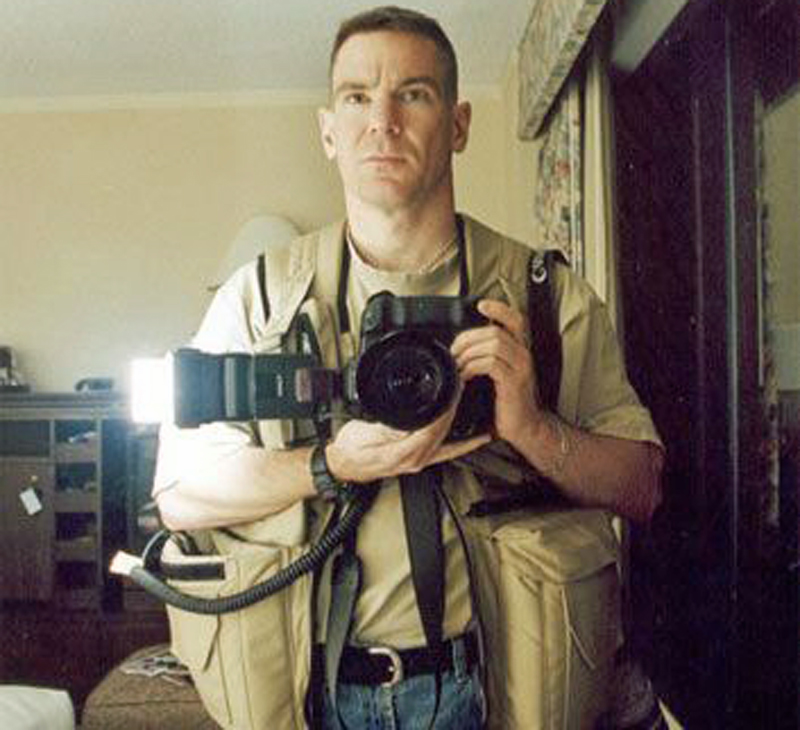
tomphotoguy

Photos and Story by Tom Demerly. (Feel free to share these photos and mention Baltia Thunder Over Michigan)

AA50

The Baltia Thunder Over Michigan Airshow at Willow Run Airport in Ypsilanti, Michigan on Saturday and Sunday, August 9 and 10, 2014 was one of the largest displays of historic and modern aircraft this year. Most of the aircraft displayed are privately owned, including one of the largest gatherings of T-6 Texan and Harvard trainers anywhere. Thunder Over Michigan also featured the U.S. Air Force Flight Demonstration Team, The Thunderbirds, along with the U.S. Army’s Golden Knights Parachute Team and other airshow acts.

This is my home town airshow, one of the shows I grew up with, so it was a special event to me. Airshow organizers provided photographers with taxiway passes for special access to the aircraft and crews along with a great hospitality tent with food, drinks, bathrooms and detailed information on every aircraft in the show. Tom Walsh, the coordinator of the photo area, did an incredible job hosting aviation photographers from around the world.

AA240

The early morning light provided a unique opportunity for photos on both Friday before the show opened and on Saturday, the first show day.

This crew (above) prepares the famous B-17G, “Yankee Lady”, that lives at Willow Run Airport as part of the Yankee Air Museum. It is a flying piece of history that is beautifully maintained. Several years ago I got a chance to fly in Yankee Lady out of Willow Run as a guest.

Yankee Lady was built in 1945 and once flew as a Coast Guard PB-1G before being sold at auction for only $5,997 to a smelting company and then to an aerial survey company. It later had a career as an aerial fire bomber and also flew in the filming of the movie Tora Tora Tora about the attack on Pearl Harbor. In it’s current condition the aircraft has been completely restored, including the replacement of all fuel and electrical systems. It is seen flying frequently around Willow Run airport.

AA130

Thunder Over Michigan attracted veterans who were pleased to share stories about the planes and people who built the history celebrated here. The show crossed aviation eras from before WWII to the modern era. Here a veteran and one of the airshow pilots chat before the arrival of show crowds.

AA60

A unique perspective on the “Fork Tailed Devil”, the P-38J Lightening “Ruff Stuff”, belonging to Mr. Ron Fagen of Granite Falls, Minnesota. There are only seven P-38 Lightenings left flying and this is the second one I’ve been lucky enough to see. Ruff Stuff was built in 1945 and never saw active service. It has changed ownership several times but its most recent restoration and the stewardship of Ron Fagen in his Fagen Fighters Museum insure its future as a national treasure.

AA40

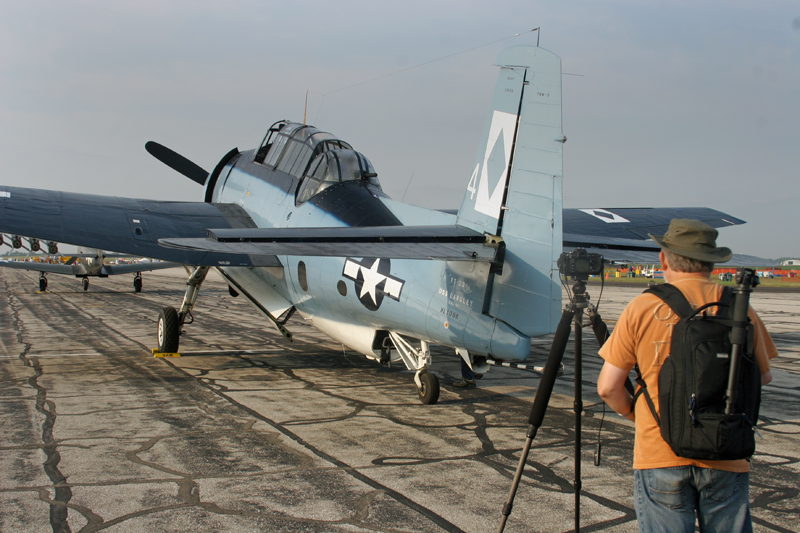
We each shot unobstructed photos of the incredible airplanes out on the flight line, an area restricted from the general public on show day during flight demonstrations. Here we set up his shots of a TBM Avenger torpedo and dive bomber.

AA20

Photographers brought an impressive array of photo equipment to capture the action. We used aviation band scanners to listen in on aircraft communications and air traffic control radio from the show Air Boss.  Shooting aircraft requires big telephoto and zoom lenses to capture the action. Canon equipment outnumbered Nikon significantly. Monitoring the show and airport air traffic control enabled us to set up shots before aircraft arrived, especially helpful with fast jets.

AA110

All the photographers enjoyed the same access to the field as the official Air Force Thunderbird photographers Manuel Martinez (left) and Stan Parker (right). I got a chance to grab a photo with these guys as they worked and even got a few tips on aviation photography from two of the best guys in the business.

AA480

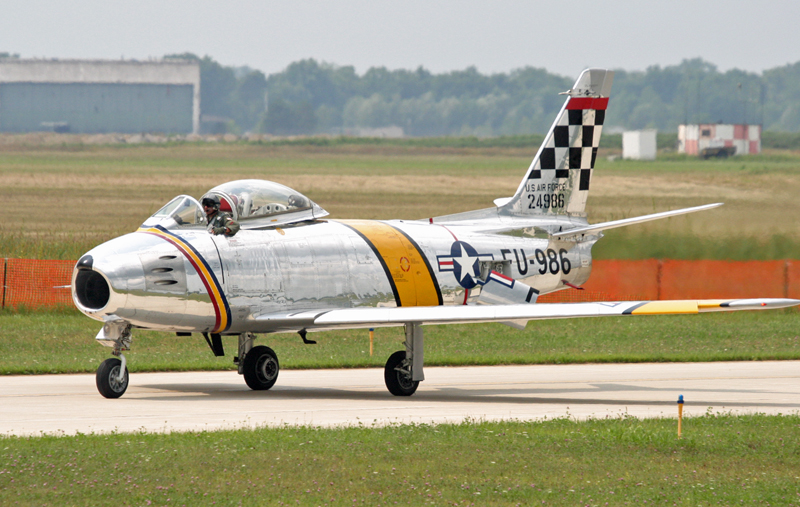
Friday, August 8, was arrival day for many of the aircraft in the show, with planes flying in from all over the U.S.. A highlight was this F-86F Sabre, “Smoky”, owned by Paul Wood from Waukegan, Illinois. The restoration and maintenance of this Korean War era jet is impeccable and it is a favorite of photographers. The aircraft was first owned by the U.S. Air Force then sold to the Fuerza Aerea Argentina or the Argentinian Air Force in 1960. It was later acquired privately in the U.S.

AA30

Paul Wood taxis his F-86F Sabre into the parking area. Notice the open speed brakes and the three holes for the .50 caliber machine guns.

AA90

The F-86F has a natural metal finish that is difficult to maintain but brilliant to see on a sunny day. The bubble canopy of the F-86F provided pilots with excellent visibility and inspired the design of the canopy on the most recent fighters including the F-22 Raptor. Pilots like to taxi with the canopy open for ventilation but must duck down to close the canopy fully.

AA100

Paul Wood cranks his F-86F through a flight demonstration that showed the maneuverability and thrust to weight ratio of the F-86F. Considering this jet was built in the late 1940’s it remains an impressive performer. The F-86 was the first fully operational U.S. jet fighter with swept wings.

AA570

A few minutes later the U.S. Army Parachute Team’s C-31A Troopship flew into the pattern at Willow Run for a landing. The pilots obliged photographers with a low pass before final approach. This is a nice sounding, Rolls-Royce powered aircraft built by Fokker. It can carry up to 25 jump equipped soldiers for demonstrations.

AA370

We had excellent access to active taxiways throughout Friday and were accompanied by helpful “safeties” who kept us from getting run over by aircraft when we were looking through a camera viewfinder. It was a remarkable experience to be so close to the aircraft as they came and went during arrival and show rehearsal.

AA360

This unusual aircraft is the de Havilland DH-115 Vampire formerly of the Royal Navy and now belonging to Marty Tibbits of Detroit. It is a pretty, unusual aircraft that operated from Royal Navy aircraft carriers after 1945 and also served, in a different version, with the Royal Air Force. The Vampire, in its many versions, was a successful aircraft that was flown by several countries through the 1990’s, including, oddly enough, Rhodesia.

AA350

If there was one perfect P-51D Mustang at the show it was Mark Peterson’s “Hell-er Bust” from Boise, Idaho. The aircraft is painted in a photogenic livery and carries a pair of simulated 500 lb. general purpose bombs. Here Mark taxis in after his arrival on Friday. Hell-er Bust has an impressive history since being built in 1945 at the North American Aircraft plant in Inglewood, California. She first joined the legendary 8th Air Force in 1945 but was transferred to the Swedish Air Force in 1948 and the to the Dominican Republc from 1952 to 1984, making it one of the last remaining truly operational Mustangs while in service with the Dominican Republic. Hell-er Bust uses the classic Packard Merlin V-1650-7 engine that produces that goose bump-inducing Mustang sound.

AA300

The B-25D “Yankee Warrior” is one of the planes that lives at Willow Run as part of the Yankee Air Museum. We are lucky enough to see it fly around the airport occasionally and got a good look at it on reception day. Five of its .50 caliber machine guns are visible in this view. Yankee Warrior is a combat veteran of WWII, having flown eight bombing missions over Italy before it was retired, then restored.

AA510

Yankee Warrior had a rather attractive pilot flying on arrival day and was meticulously turned out in its natural metal finish. This B-25 is a frequent visitor to air shows around the U.S. but I never found out who the pilot pictured here is.

AA290

A number of exciting private jets flew in on Friday including this Aero Vodochody L-39C belonging to Tim Brutsche of Battle Creek, Michigan. Brutsche owns Brutsche Concrete in Battle Creek and is a licensed Air Transport Pilot (ATP) who has been an active promoter of youth in aviation for years.

AA280

Here is Tom and his co-pilot, perhaps his wife Beth Franklin-Brutsche who frequently flies with him, taxiing their L-39C to its parking ramp.

AA520

Aircraft owners spent time on Friday chatting with photographers and polishing their airplanes for the show opening on Saturday. This TBM-3E Avenger gets a shine in the morning.

AA500

The P-47D Thunderbolt “Jacky’s Revenge” was restored from former Peruvian Air Force service in 1966 and painted in U.S. livery with D-Day invasion stripes on the wings and fuselage.

AA530

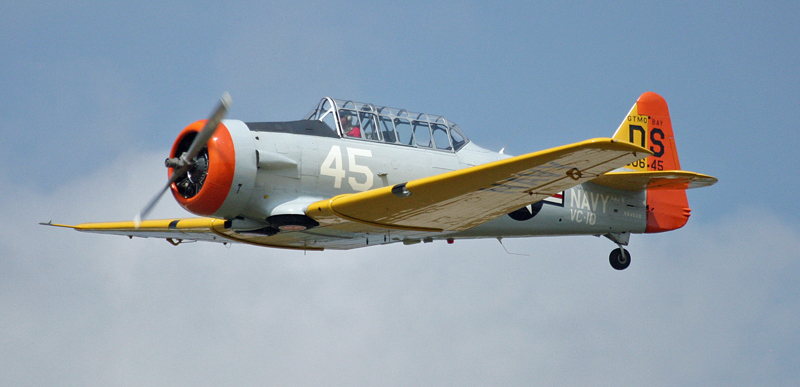
There were so many T-6 Texans, Harvards and this AT-16 Texan from Blanchester, Ohio it was hard to pick just one to photograph, but this bright orange and yellow paint scheme stood out from the other aircraft.

AA220

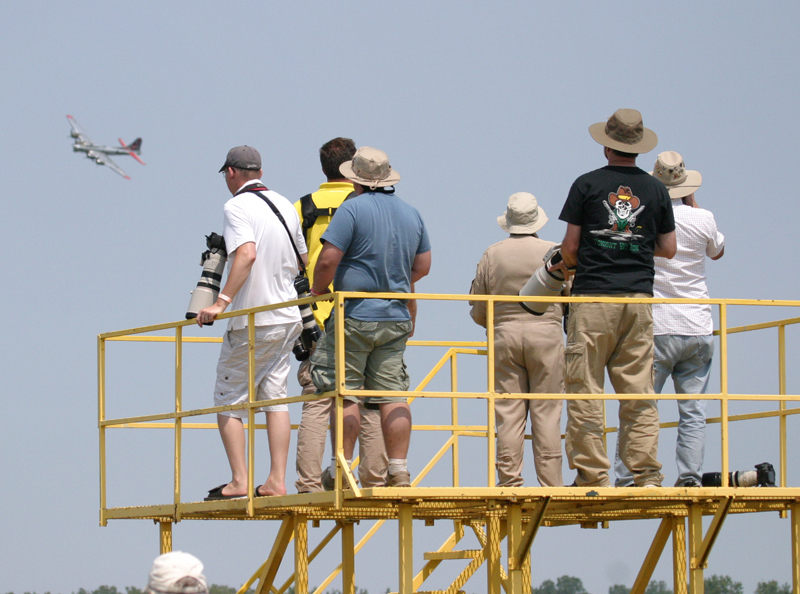
We got a raised maintenance platform to shoot photos from each day, making it easy to get great shots of aircraft taxiing and of the flight demonstrations. Each of the photographers took turns in a corner. We used a pilot band radio receiver to help locate inbound aircraft. When one photographer would see an aircraft inbound to the demonstration field they would shout out, “Aircraft, inbound, from the east…” for the other photographers to get their shot.

AA320

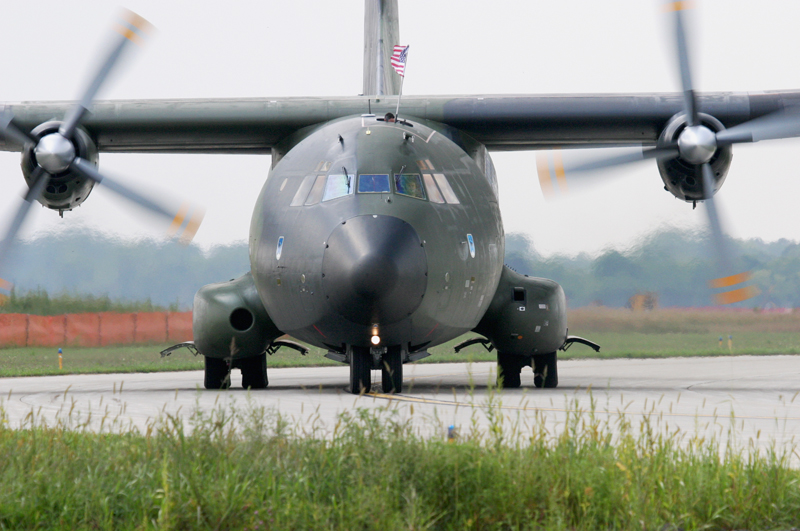
An operational German Luftwaffe Transall C-160D from Air Transport Wing 61at Penzing AB, Germany made a special visit to the show. The Transall is a workhorse twin-engine tactical transport that serves air force around the world and is especially prolific in Europe and Africa. It makes a pretty “whirring” noise like a mini-C-130.

AA120

The flight crew of our visiting German Transall were happy to be at the air show and brought a big tent filled with their squadron mugs, T-shirts, patches and other memorabilia. They enjoyed chatting with the crowd in English and in German and also had fun shooting photos of the other flight demonstrations while they earned some cash selling souvenirs.

AA80

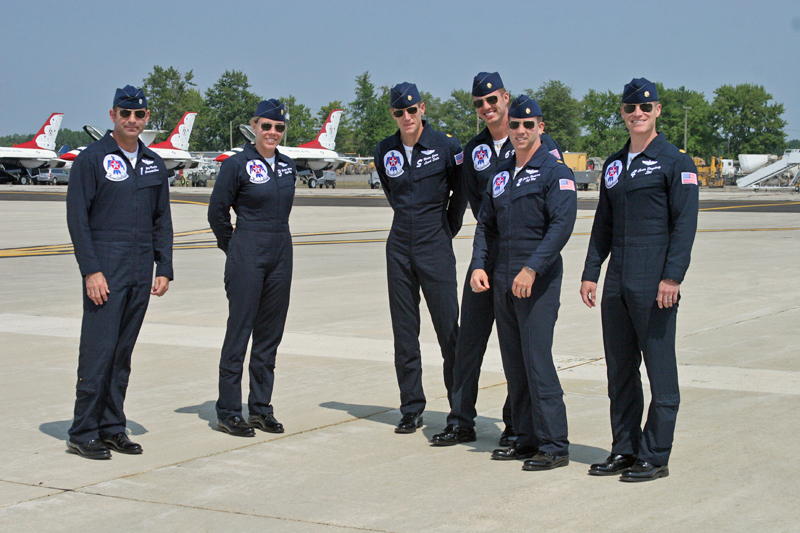
Friday was a relaxed day and a chance to meet the Thunderbird pilots in person without any fences. I caught the entire flight demonstration team here for a candid group shot here.

AA140

Thunderbird #6 Opposing Solo, Major Jason Curtis of Kalispell, Montana, taxis out for Friday practice. He is a drummer and competitive snowboarder and graduated from the U.S. Air Force Academy in 2004.

AA340

Thunderbird #1, Lt. Col. Bob Moseley taxis out for flight demonstration practice on Friday. The names of the enlisted flight maintenance crew for this aircraft are painted on the right side of the cockpit with Lt. Col. Moseley’s name on the left side of the aircraft. Moseley is a graduate of Virginia Military Institute and has flown both the F-15 and F-22.

AA470

We had an interesting incident on Friday, practice day, when Thunderbird #3, Maj. Caroline Jensen, had a “bird strike”, sucking a bird into the intake of her F-16. The bird damaged the engine and caused her to safely circle the field and make an expedient landing.

AA490

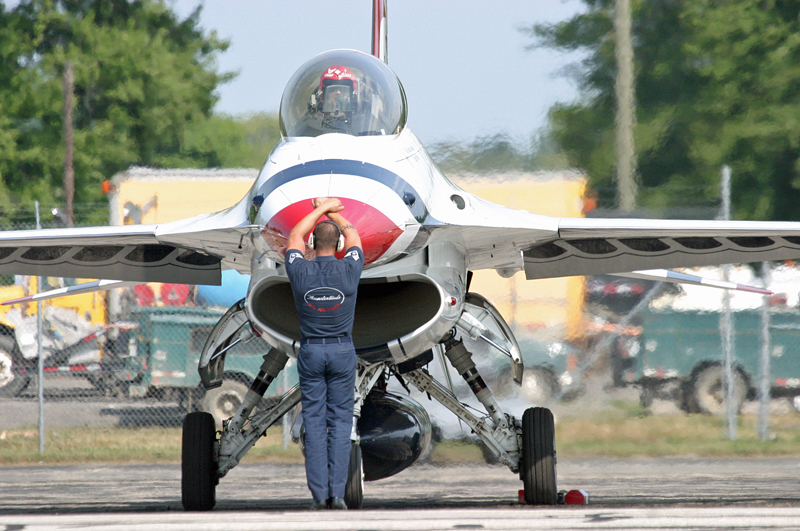
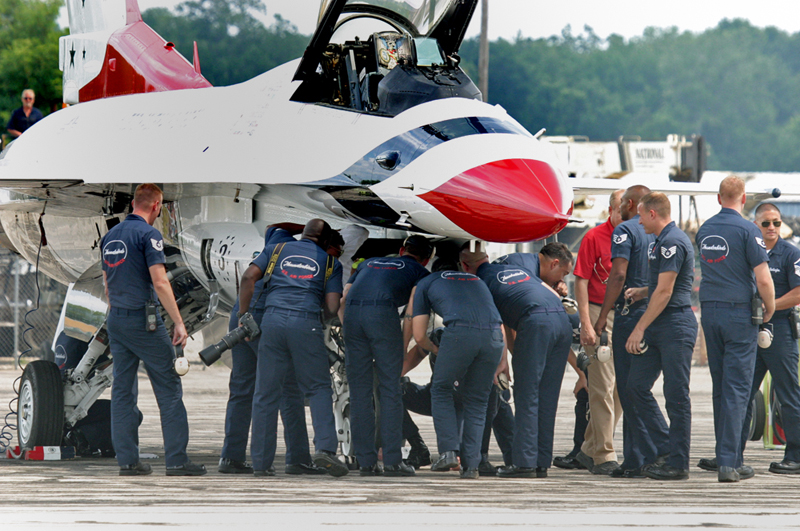
Major Jensen taxied past the photo stand on her way back to the flight line to switch to the reserve aircraft that was already preflighted by the Thunderbird ground crew and ready for engine run-up.

AA560

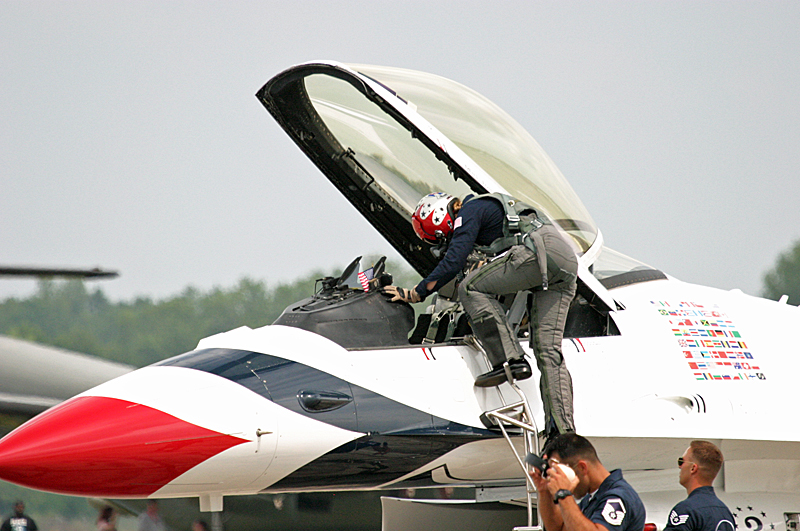
She quickly climbed down from the damaged #3 aircraft and ran to the waiting reserve aircraft while the ground crew began to survey the damage to her F-16.

AA10

All of the Thunderbird ground crew wanted to see the damage to the inside of the F-16 intake from the bird strike. The man in the red shirt is likely the aircraft engine manufacturer’s technical rep who travels with the Thunderbirds, Mr. Tom Eshelman from Pratt & Whitney aircraft engines. That a jet engine can withstand a high speed bird induction through its turbine fans and continue to fly safely is an impressive accomplishment by Pratt & Whitney.

AA540

Major Jensen climbs up to the reserve F-16 to rejoin the demonstration formation after running to the alternate jet that was already preflighted by the Thunderbird ground crew.

AA550

Lighting conditions on Friday practice for the flight demonstration were poor with flat and overcast skies. It was less than ideal for good photos. We enjoyed the practice after shooting a few photos and checked the weather for Saturday, hoping for better lighting conditions for aerial photography.

AA170

The weather on Saturday started misty but the fog burned off quickly as crews got their aircraft ready for the first day of the show. I liked this shot of the B-17G Yankee Lady with the U.S. flag in the sky overhead.

AA310

The first big flight demonstration was an giant formations of T-6 Texans and Mk IV Harvards. This is only half of the total formation. The  combined sound of their radial engines was an amazing recollection of what it was like to be near one of the big WWII fighter training bases.

AA260

The formation flying continued throughout the morning with an intricately coordinated double-racetrack pattern of aircraft flying over Willow Run. This tight formation of a P-38, P-51 and the B-17 G Yankee Lady is a living display of air power over the Pacific and the European theaters during WWII. I can’t help but wonder what the view from inside the cockpit must be like.

AA230

Ruff Stuff, the Lockheed P-38, did a few photo-pass fly-bys for photographers, giving us the opportunity to shoot photos from different angles.

AA580

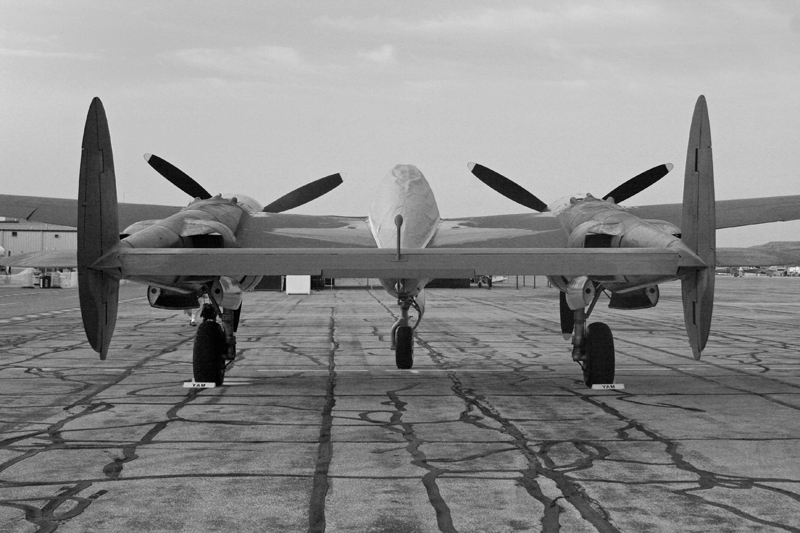
P-38 Lightening Ruff Stuff as viewed from the rear quarter. Notice the superchargers on top of each of the engine booms.

AA590

The chunky looking P-47D Thunderbolt, predecessor to the modern A-10 Thunderbolt II, becomes more graceful in the air. The P-47D was used extensively in the ground attack role. The black and white stripes on the fuselage and wings are called “invasion stripes”. These helped other allied aircraft identify each other following the D-Day invasion to prevent them from shooting at each other and prevented ground crews from shooting at them.

AA600

This P-63 King Cobra has a number of unique features including a centrally mounted M-37 30 mm cannon that fired through the propeller hub and an engine located directly behind the pilot. The pilot enters the aircraft through a side-hinged door, not a sliding canopy like the P-51 and P-47. Notice the intake for the centrally mounted engine immediately behind the cockpit. The tricycle landing gear was unique to the P-63 and its less successful little brother the P-39 Airacobra. Most P-63’s saw service with the Soviet Union, over 2,000 of the total of approximately 3,000 built were given to Russia by the U.S. under a lend-lease agreement. Russian pilots actually downed several Japanese planes in WWII with King Cobras.

AA610

B-17G Yankee Lady turns in toward the crowd line. The “G” model B-17 had several upgrades over the precious “F” and “E” versions, most notably the forward facing chin turret with two Browning .50 caliber machine guns to prevent aerial attack from the front.

AA620

This side view shows a puff of smoke from one of the B-17G’s engines and a good view of the ball turret under the aircraft.

AA770

B-24 “Diamond Lil” has a fascinating history as one of the very early B-24A bombers built. The aircraft had a landing accident during its ferry flight to England in the early 1940’s and had to be returned to California for repair. It was converted to a C-87 transport, a modification that likely enabled it survive the war. It went on to be restored as a B-24 with the paint scheme seen here. In this photo the crew is initiating engine start and run-up for its flight demonstration.

AA650

Following the flight demonstrations by the historic aircraft the Thunderbirds held the briefing for their demonstration flight. Here Major Caroline Jensen listens in before the beginning of the demonstration routine.

AA670

The Thunderbird diamond and solo pilots salute the crowd at the beginning of their flight demonstration routine.

AA660

Introductions of the pilots to the airshow crowd over the PA begin the show as the ground crew forms up for the demonstration in the background. From the preparation of the flight to the aerial maneuvers the entire show is carefully choreographed with impressive precision.

AA640

Wearing a pair of G-suit pants the pilots climb the ladder to the cockpit while crew chiefs stand ready to prepare the aircraft for take-off.

AA630

Engine start completed, Thunderbird #1 prepares to taxi to the active runway for take-off.

AA690

With a plume of smoke the four-ship diamond formation begins their takeoff roll at the start of the flight demo routine.

AA200

The opposing solo aircraft, Thunderbird #6, Maj. Jason Curtis, turns in across the crowd line as he closes on the the lead solo aircraft for one of their head-on passes.

AA380

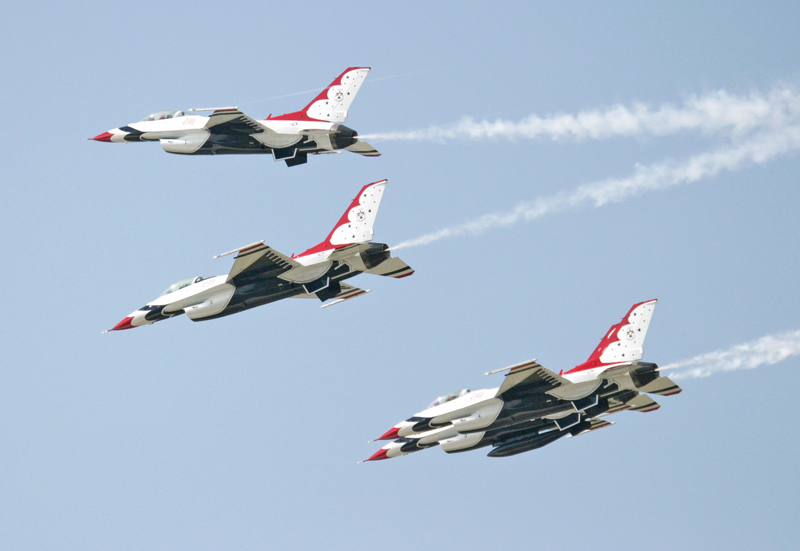
Blue skies and better light gave us a chance to grab good photos of the Thunderbird diamond formation as it flew by the photo stand near show-center.

AA430

Lead solo Thunderbird #5 Maj. Blaine Jones turns in toward the crowd line for a high-speed pass.

AA420

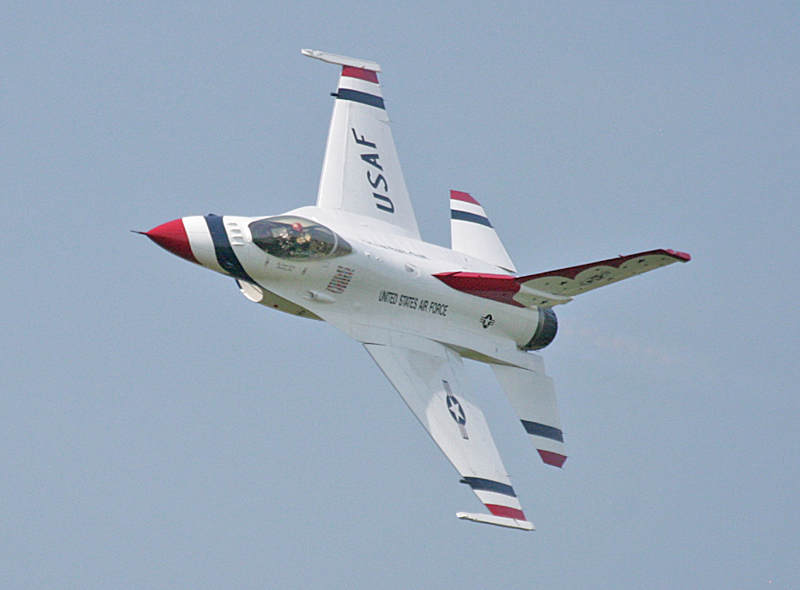
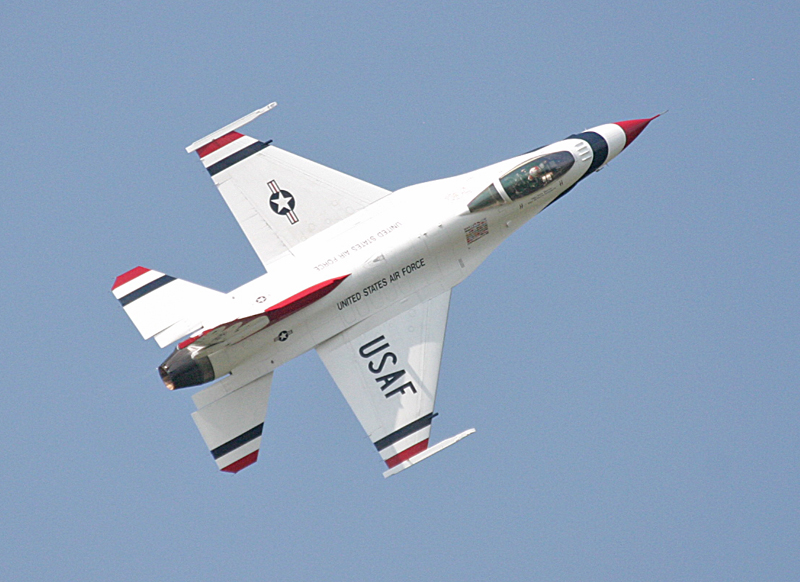
Thunderbird #6 demonstrates a five-point hesitation roll and gives a good plan-form view of the F-16. The paint scheme of the Thunderbirds aircraft is specially designed so the crowd can see the aircraft roll from a distance.

AA460

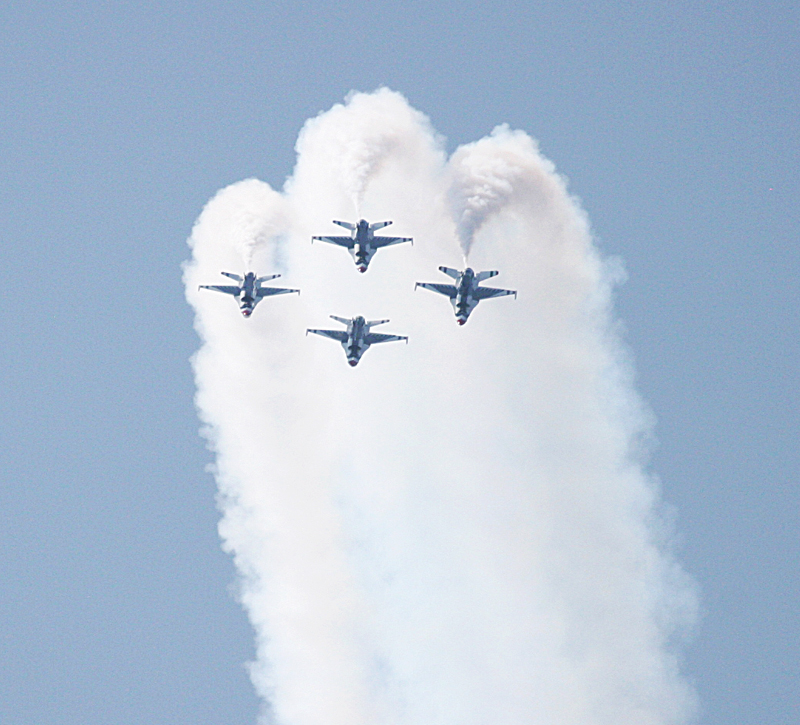
The Thunderbird diamond formation at the top of an inverted loop at an altitude of about 2000 feet above ground level. The Thunderbirds have a “high show” routine and a “low show” routine for overcast conditions when a low cloud deck prevents them from being visible from the ground. We got to see the low show on Friday practice and the high show on Saturday.

airhow1480

“From the left, Thunderbird #5, Major Blaine Jones, the Lead Solo, will execute a maximum performance, high-G turn.” This sequence shows the F-16 turn in under afterburners and pull up to 9G’s. In the third frame you can see the wings of the F-16 flex upward under the G-load.

AA700

The two solos cross in the cross over break, one of the most spectacular and difficult to photograph maneuvers of the show.AA390

This pull-up maneuver is used to sequentially position the aircraft for entering the landing pattern and makes for a cool shot as the aircraft begin their break.

AA710

This maneuver begins in the trail formation with the aircraft behind each other and completes a loop up to 2,000 feet where the formation rejoins with incredible precision during the inverted, changing to the diamond formation. Condensation formed on the wingtips streams off the aircraft at higher altitude as the air cools.

AA720

The opposing solo high-alpha pass: Thunderbird #5 flies across show center at about 100 MPH or nearly the minimum speed the aircraft can maintain and still stay in the air. The speed brakes at the back of the aircraft are deployed to slow it down.

AA730

Thunderbird #6, the opposing Solo, trails condensation vapor as it pulls up to the vertical to rejoin the four-ship diamond formation.

AA740

All six aircraft form the wedge formation high into the afternoon sun with thick vapor trails coming off their wingtips.

AA750

The six-aircraft wedge formation passes in review under slight overcast.

AA760

Then flies into clear sky with a complete change of lighting.

AA410

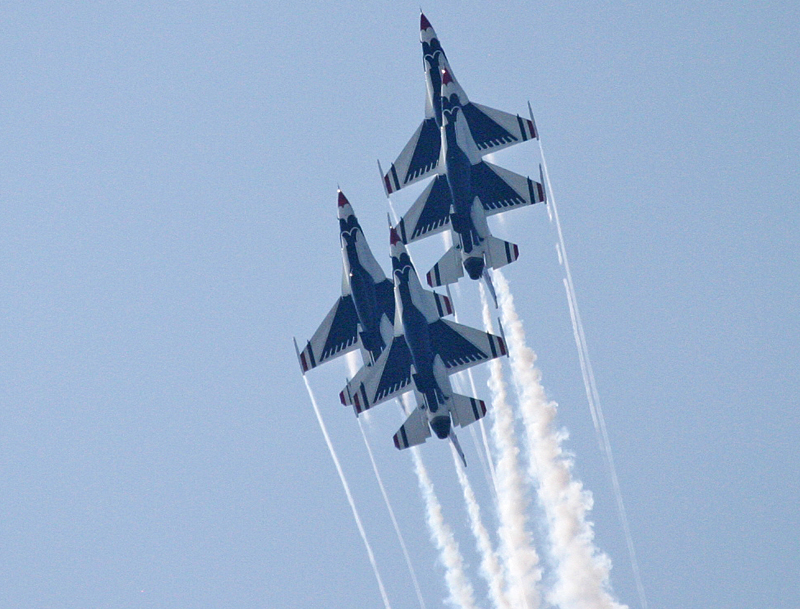
Finally the diamond formation pitches up to the vertical and executes the high bomb burst with one of the solo aircraft rolling vertically through the middle. It was a classic Thunderbird finale.

AA780

Back on the ground with the chocks in place Thunderbird #1 prepares to shut his engine down at the end of the flight demonstration.

AA790

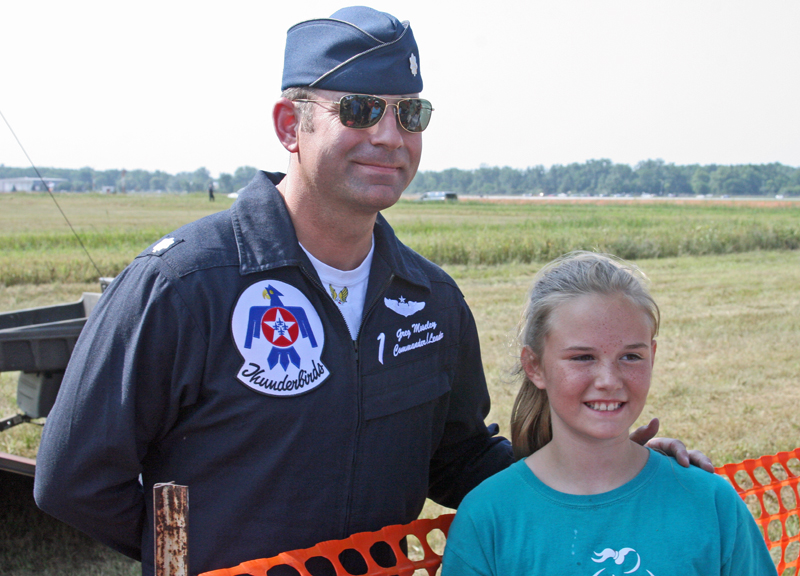
It’s a tradition to wait after the airshow and meet the Thunderbird pilots in person for a handshake, photo and an autograph. Here the Thunderbird team leader, #1 Lt. Col. Greg Mosley, poses for a photo with a fan.

AA7800

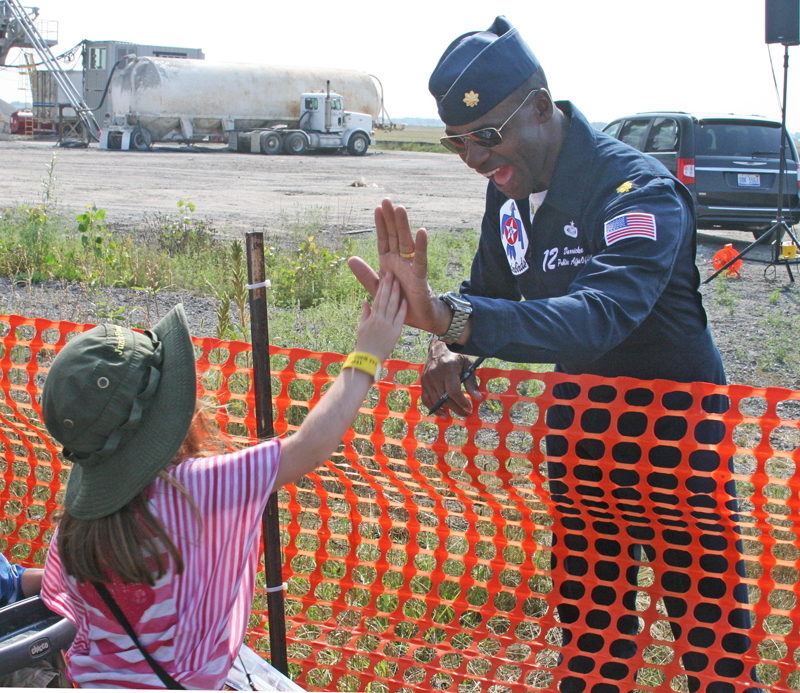
Thunderbird 12, Major Darrick Lee, high-fives a fan at the end of the airshow.

AA210

On my way out of the show I met aviation artist David Ails. Ails was displaying and selling some of his incredible digital aviation art depicting aircraft including the P-61 Black Widow and F-4 Phantom. Ails represents a new breed of aviation artist who uses digital media for creation of incredible images that depict historic aviation events and aircraft.


1932244_405996476202428_722904881_n

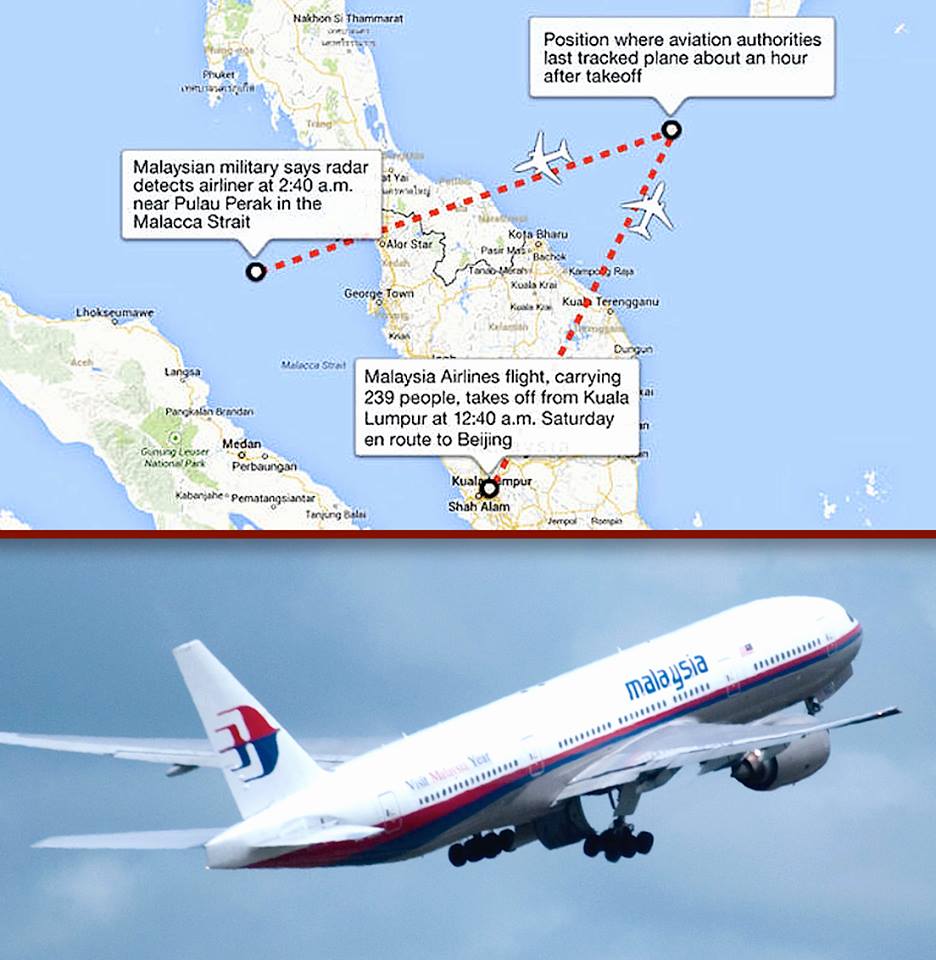
At this hour the mystery of Malaysia Airlines flight 370’s disappearance is one of the most baffling chapters in aviation history. With every hour that passes the mystery becomes more remarkable.  There was no distress signal, automated or manual, no radar track to a known accident site, no anomalistic flight data transmitted, no covert hijacking signal, no wreckage, no diversion to a remote airfield under duress, no witnesses of an actual crash in one of the world’s busiest shipping lanes.

That the aircraft likely vanished over one of the busiest commercial shipping areas in the world, the Straits of Malacca, with 50,000 to 90,000 ships a year passing through it’s narrow, 500-mile passage is even more remarkable.

When you perform a statistical analysis of aircraft accidents over the previous 30 years that involve more than 100 passengers you see how truly bizarre this mystery is.

The U.S. Federal Aviation Administration maintains a detailed database of aviation accidents broken into 18 accident causation categories. They include “Crew Resource Management”, “Fuel Ignition”, “Fuel Exhaustion”, “Incorrect Piloting Techniques” and others.  All of them leave some trace to conduct a forensic investigation.

That MH370 left no trace, electronic or otherwise, is its most remarkable anomaly. Given the volume and sophistication of systems to avoid just such a disappearance one explanation is some willful intervention to counter each of these surveillance and tracking systems took place. Someone intentionally lost the aircraft.

One unnamed source has already proffered an opinion on this disappearance: MH370 was hijacked in a 9/11 style terrorist attack. The target may have been the Petronas Towers in Kuala Lumpur, a hauntingly similar target to New York’s Twin Towers. The attack failed when some intervention, perhaps by crew, passengers or other force led to the flight’s termination in a similar way to United Airlines flight 93 that crashed in Shanksville, Pennsylvania when passengers attempted to intervene in the hijacking and retake the aircraft before reaching its intended target.

It is possible the flight disappeared when it descended to low altitude for the willful purpose of evading radar as it turned back toward Kuala Lumpur on its attack run. This admittedly outlandish theory is partially supported by Fisherman Azid Ibrahim, 66 of Kota Baru, Indonesia. Ibrahim told the New Strait Times that an airplane appeared to fly low below thick cloud deck. He followed the aircraft for about five minutes before it disappeared without crashing. Another witness reported a similar sighting about 30 km (18.6 miles) away from Kota Baru.  Businessman Alif Fathi Abdul Hadi, 29, reported to the Malaysian Maritime Enforcement Agency (MMEA) that he saw “bright white lights”, descending fast into the sea at about 1:45am that same day. A third report from an oil rig also reported seeing a large aircraft flying at low altitude over the region, then a burning object.

873565-943b5708-a8f7-11e3-9a89-1de6a43f024e

In December 2011 the Co- pilot on MH370, Fariq Abdul Hamid, broke regulations when he allowed female passengers Jonti Roos and Jaan Maree into the cockpit, while flying, for a flight from Phuket, Thailand to Kuala Lumpur, Malaysia. The 53-year old captain of MH370, Zaharie Ahmad Shah, had a room in his house dedicated to a computer flight simulator where he could practice flying a Boeing 777. And familiarize others with how to do it.

In an interesting literary parallel, Ian Fleming’s 1961 novel and 1965 film “Thunderball” depicts a fictional RAF pilot named François Derval who is extorted by sexual coercion into stealing an aircraft for a terrorist plot.

This is speculation. But it has origins extrapolated from known statistical data of airline accidents along with an analysis of the region, its vulnerabilities, its known terrorist activity and additional factors. It also is partially reinforced by the emerging navigation tracks of MH370 that show it returning toward Kuala Lumpur where it originated and where the Petronas Towers are.

It is also as implausible a theory as the 9/11 terror attacks were on 9/10. Before the 9/11 attacks and former President Bush’s election the Clinton administration had intelligence that suggested a coordinated attack using airliners in the Pacific region was a plausible threat. One analysis suggested the attacks might originate from Indonesia. The theories were not regarded as actionable. By 9/12 this paradigm had shifted.

When will know the facts about MH370’s disappearance? That is another mystery. Until then all we have is questions and speculation as passing time creates more depth to one of the most bizarre mysteries in aviation history.

By Tom Demerly.

trojanhorse

In much the same way as Franklin Roosevelt is remembered for the Social Security Act of 1935, President Barack Obama will be remembered for the Affordable Care Act.

And it may be a larger success than any of us imagine.

The Affordable Care Act could be a masterfully engineered piece of legislation that has already set in motion the only means possible to topple big medicine and make U.S. health care affordable. But not how you think.

We’ve all seen the charts and YouTubes comparing the cost of medical procedures in the U.S. to other countries. They make a case for health care being significantly more expensive in the U.S. than in other countries that already have a state subsidized or administered medical system.  It’s possible the authors of the ACA did a masterful “Potomac two-step” in selling the ACA to the powerful medical, pharmaceutical and hospital lobby. Washington sold them a Trojan horse.

ACA critics have pointed to a host of administrative problems that are likely short lived. Those problems aren’t “structural”.

A structural problem built into ACA is that the weight of medical costs in the U.S. is spread over the broader economic “ice” of the American population. That ice is still too thin to support big medicine’s current financial weight. One of two things can happen: The ice can break or some weight can be removed.

Since ACA is law, and law can presumably be enforced, the “ice” that is ACA will be held up by Washington. The weight that comes off the ACA ice will be U.S. “Big Medicine” getting whittled down to functional size. No more massive, glossy prescription drug marketing campaigns. No more mini-malls and valet parking at hospitals. No more health care providers filing endless reams of electronic files, paying staff to interpret billing and insurance logistics and creating their own internal television networks to promote themselves. Malpractice litigation will be reformed. Medicine will become more medical, less commercial and litigious.

The ACA will dry up hospital "malls" and commercial dining areas and other accessories to hospital operation.

The ACA will dry up hospital “malls” and commercial dining area and other accessories to hospital operation.

There will be blood. Hospital staff, already strained in many places, will be trimmed. Logistics will be streamlined, even doctors will earn less. Health care suppliers will suffer mightily; with many going bankrupt like auto component suppliers did in the U.S. automotive bailout. And just like the automotive bailout many of the financial negotiations that were abrasive and costly between unions and car companies will now be quickly dispensed in bankruptcy court. And for once, it will be the medical companies that will take the hit. The ACA may protect the citizen-patient.

“Health care quality will contract while health care access will expand.”

If this is the direction of ACA, intended or not, the process will be an abrasive one. We the people in the first decade of ACA will experience constant changes in health care logistics and a general decline in the quality of health care. In short, our health care infrastructure will contract to a scale similar to those of countries with functioning social medicine. In many ways that will appear as a downgrade. But in the spirit of ACA it will spread access to health care across a broader population. Instead of high-income people getting great health care and middle and lower class people getting none or reduced levels with exposure to financial ruin, everyone will get a roughly equivalent level of healthcare services and products. Health care quality will contract while health care access will expand. The optimal balance will be when the two conflicting agendas meet in the middle.

It’s possible President Obama’s ACA will be remembered as the savior of the American patient, not the American medical industry. Getting there will require a long and painful period of financial and legislative surgery that includes some painful amputations with no anaesthetic.

By Tom Demerly

jack-ryan-shadow-recruit

The greatest fear I had going into Jack Ryan: Shadow Recruit was that it would be a sad eulogy to Tom Clancy’s genius. I’m pleasantly surprised to be wrong.

Director Kenneth Branagh did his homework and borrowed subtle and successful elements from each of the Jason Bourne, James Bond, Mission Impossible and Tom Clancy franchises to weave a surprisingly good story thread that is visually well done.

Jack Ryan: Shadow Recruit is a tight and snappy spy thriller. It’s well written, tightly shown and quickly paced. Camera, sound and production techniques are tasteful and pay homage to its influences. Very little is over blown. Even the sets are well dressed and chosen.

Writers David Koepp and Adam Cozad used Tom Clancy’s character Jack Ryan with reverence for Clancy’s original vision of Dr. Ryan, the nerdy analyst turned reluctant but capable action hero.

Jack Ryan gets his first kill James Bond style, in a bathroom.

Jack Ryan gets his first kill James Bond style, in a bathroom.

Chris Pine as Jack Ryan is fantastic as is Kevin Costner as Thomas Harper, his CIA boss. And because no great spy film is a success without great villains, it is a pleasure to have Kenneth Branagh as the dangerous Russian, Viktor Cherevin.

The plot hits ominously close to home, literally and figuratively, with a story line that weaves into the little known world of economic warfare. Villains originate from Dearborn, Michigan in the shadow of Ford World Headquarters. The plan is to crash the stock market in a combined terror and economic attack; a scenario everyone hopes will remain fiction.

But Tom Clancy’s fiction has an ominous way of weaving its way into the headlines.

Jack Ryan: Shadow Recruit never sags and builds well to a strong climax. There are a few corny moments but remember, this isn’t a strict Clancy plot. It weaves influences from every corner of the spy thriller genre, and does it with respect and tribute to each. While these stories do become somewhat cookie-cutter this one is flavored uniquely and with enough craft to make it a snappy 105-minutes. And yes, there is a sequel planned that hopefully continues with this fine cast in the upcoming Without Remorse.

Tom Clancy would have loved Jack Ryan: Shadow Recruit. It is tight, quick and nice looking. This is a pleasant surprise after the painful loss of a great author and storyteller who created these characters. That new writers are able to execute on Clancy’s vision confirms their talent and reverence for his mastery.

Taking to the streets with a nod to Bourne franchise in "Shadow Recruit".

Taking to the streets with a nod to Bourne franchise in “Shadow Recruit”.

By Tom Demerly.

Screen-Shot-2013-08-02-at-10.07.53-AM-640x306

Early July 2005: I was in the car. CNN was on. There was a report of a “U.S. long range reconnaissance team lost in Afghanistan”. They went to a commercial.

I pictured what must have been going on. Marine recon, Army Special Forces, Naval Special Warfare, Air Force Special Operations. It was one or some combination of them.  They had no comms, they were cut off, they may be lost, their food was gone. They may not even be alive by the time it made the news.

In the mid to late 1980’s I was a member of a U.S. Army National Guard Long Range Surveillance Team, Co. F., 425th INF (RANGER/AIRBORNE), Michigan National Guard. I was the scout/observer for our five man reconnaissance team.  We never saw combat then. But the sense of being a long way from home, cold, wet, hungry and with no communications is a very familiar one. Our radios never worked. We rarely got comms. We often walked home, even on training missions.

In 2007 when Marcus Luttrell wrote his book Lone Survivor I read it in one sitting, and didn’t sleep well for days. His account of a long range surveillance mission gone bad is harrowing and realistic.

4fb1de7ab2793.image

“Lone Survivor” author Marcus Luttrell signs his new book “Service”. Luttrell’s incredible account of Operation Red Wings deserved a better film adaptation.

This weekend Director Peter Berg’s adaptation of Lone Survivor hit theaters. Berg is the mastermind behind the impressive and haunting film The Kingdom from 2007.

Berg executes the complex story of Operation Red Wings told in Luttrell’s Lone Survivor with the level of authenticity you expect for a 121-minute Hollywood movie. There are moments when the film “works”, sort of. But for the most part it is clunky, forced and unrealistic feeling.

Berg may get a pass because faithfully depicting the horror of a small recon team retreating down a cliff side in the high Afghan mountains of Kunar Province is technically demanding. But remember Steven Spielberg’s D-Day landing scene in Saving Private Ryan, a scene so real it makes you recoil in terror and smell the cordite, exhaust fumes and gore. Even Ridley Scott’s Blackhawk Down, while very “Hollywood-ized” provides a more authentic and vertiginous sense of what combat must be like. Both Saving Private Ryan and Blackhawk Down “feel” more realistic. Lone Survivor relied too heavily on bad set dressing, rotten camera movement, poor make-up and a generally inauthentic “look” to deliver.

lonesurvivor

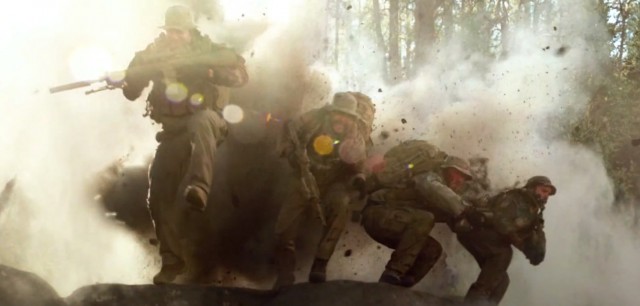
The cast of “Lone Survivor” look more like an airsoft convention than a Long Range Surveillance Team.

The shape and storyline of Lone Survivor is good but the look and feel is shallow and contrite. There is so much “punch” and terror to this story it could have been done better. The digital effects, especially of aircraft and wide scenes, are embarrassingly poor by current standards. Lone Survivor simply looked “hurried” and synthetic. The make-up effects of wounds and blood looked like something you’d see in a Halloween haunted house. Even after three days of a long range reconnaissance patrol the characters didn’t look authentically dirty and grimy.

Another nick against Lone Survivor is that the “Afghanis” didn’t look like they lived in the mountains of Kunar Province. They looked like people from an L.A. cattle call for “Afghan” extras for a film shoot. For reference on how to get it right look at the realistic pirate depictions in Paul Greengrass’ Captain Phillips . Barkhad Abdi and Barkhad Abdirahman were authentic and believable in their roles as Somali pirates, in no small part because they are from Somalia.

Peter Berg’s Lone Survivor is not a total failure. The audience in the theater spontaneously applauded when the credits rolled, so it got their attention. But it isn’t the authentic and horrifying insight into Long Range Surveillance and Marcus Luttrell’s incredible book that I had hoped for.

By Tom Demerly.

Cmdr. Brian W. Sebenaler, commanding officer of Naval Special Warfare Basic Training Command (BTC) speaks to members and guests during an establishment ceremony for the command held at Naval Amphibious Base Coronado. BTC reports to the Naval Special Warfare Center and is charged with the basic training of all naval special warfare forces, including both Navy SEAL and special warfare combatant-craft crewman (SWCC) basic training programs, which include the BUD/S course and SEAL qualification training for SEAL candidates, and basic crewmen training and crewmen qualification training for SWCC candidates. (U.S. Navy photo by Mass Communication Specialist 2nd Class Kevin S. Beauchamp/Released)

Cmdr. Brian W. Sebenaler, commanding officer of Naval Special Warfare Basic Training Command (BTC) speaks at Naval Amphibious Base Coronado. (U.S. Navy photo by Mass Communication Specialist 2nd Class Kevin S. Beauchamp)

52 years ago today President John F. Kennedy signed into law the formation of a new special operations unit called the U.S. Navy SEa, Air and Land” or “SE.A.L Teams”; the U.S. Naval Special Warfare Teams, the Navy SEALs.

No military unit is more misunderstood, misrepresented or misquoted. The Naval Special Warfare Teams are also justifiably celebrated as one of the most vigorous, capable and successful combat units in the entire U.S. arsenal.

Over the past 30 years I’ve been occasionally privileged to work and socialize with members of the Naval Special Warfare community. I’ve never failed to be impressed by their internal standards, training and capabilities. And by their humility.

The history books tell you the Naval Special Warfare Teams were born from the Underwater Demolition Teams, the “Frogmen”. Since then their mission and capabilities have expanded to include intelligence gathering, direct action, rescue, security, reconnaissance, technical and operational development and a host of other missions so diverse it has presented major challenges to these units.

(left) Athletes participate in the Navy SEAL Fitness Challenge in Dearborn, Michigan. (right) Naval Special Warfare Operator Mitch Hall wins the annual SuperSEAL triathlon in Coronado, California. (Photos by Tom Demerly).

(left) Athletes participate in the Navy SEAL Fitness Challenge in Dearborn, Michigan. (right) Naval Special Warfare Operator Mitch Hall wins the annual SuperSEAL triathlon in Coronado, California. (Photos by Tom Demerly).

Another great challenge facing the Naval Special Warfare community is the media’s love affair with them. Officially and unofficially the Navy has fed into this, with everything from support of Hollywood film projects to unsanctioned technical support of computer games and thousands of books.  In 2008 and 2009 Naval Special Warfare promoted a national fitness competition called the “Navy SEAL Fitness Challenge”. Naval Special Warfare has supported an annual triathlon called “SuperSEAL” and “Superfrog”.  Naval Special Warfare also sponsored the Ironman World Championship along with several triathletes who are active members of The Teams.  Next week a new Hollywood movie, “Lone Survivor”, joins over 40 popular movies featuring Naval Special Warfare operators as diverse as “G.I. Jane”, “Transformers” and “Act of Valor” that featured cast members from the Naval Special Warfare teams.

In the past decade there has been tremendous growth in the Naval Special Warfare community.  The last time I visited the Phil Bucklew Naval Special Warfare Center in Coronado, California during 2007 there was a construction project underway to house new Basic Underwater Demolition School students and expanded administration activities.

Naval Special Warfare has also seen its share of controversy.  In 2010 a west coast Naval Special Warfare operator and instructor was arrested for trafficking weapons smuggled from Afghanistan and sentenced to over 17 years in prison.  In 2013 Esquire magazine ran a feature story alleged to be an interview with a Naval Special Warfare Operator who claimed to have killed Osama bin Laden during a U.S. raid on Pakistan. The interview was sharply critical of treatment of Naval Special Warfare veterans.

What I’ve learned from the Naval Special Warfare Teams and their members is that they are human. While they are exceptionally dedicated, incredibly well trained and maintain an impressive level of proficiency in a vast array of skill sets they still suffer the fallibilities of the common man. They have difficulty in personal relationships like the rest of us and struggle with divorce and emotional challenges.

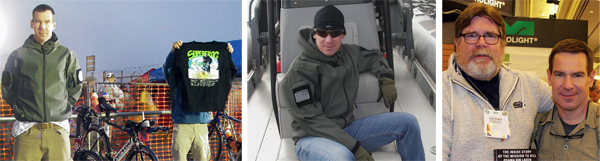
(left) At the Phil H. Bucklew Naval Special Warfare Center for SuperSEAL triathlon. (center) On board an 11-meter RIB off Coronado Island. (right) With Naval Special Warfare Development Group original member and author Chuck Pfarrer

(left) At the Phil H. Bucklew Naval Special Warfare Center for SuperSEAL triathlon. (center) On board an 11-meter RIB off Coronado Island. (right) With Naval Special Warfare Development Group original member and author Chuck Pfarrer.

One of many things that makes them exceptional is they do all this set against the backdrop of a necessity to maintain operational security and rarely disclose their true challenges among non-military relationships. This makes their tremendous burden even greater.

Naval Special Warfare is a community worthy of effusive praise and recognition. They have shouldered a mighty share of the burden of the Vietnam Conflict, numerous “peace time” actions, Operation Iraqi Freedom, the Global War on Terror and other conflicts while maintaining a level of inter-unit quality almost unmatched in the world.  On their 52nd birthday it’s worth acknowledging their contribution.

Authors Note: If you are a fan of books about the U.S. Naval Special Warfare Teams you may find my review for MILTECHREV.com of Greg E. Mathieson Sr. and David Gatley’s impressive new book, Naval Special Warfare here of interest. It is the definitive work on Naval Special Warfare available to the public:

seals10